

We have all experienced the intoxicating rush of interior design optimism. You walk into a beautifully lit showroom or scroll through a high-end digital catalog, and your eyes lock onto it: a stunning, brutalist travertine coffee table or a low-slung, pristine white bouclé sectional. On day one, it is delivered to your home, and your living room looks exactly like a luxury magazine spread.
Then, by day sixty, reality sets in.
The gorgeous white bouclé turns into a high-maintenance nightmare because your pets use it as a scratching post. The ultra-low sofa back offers zero neck support during a movie night, causing actual physical fatigue. Meanwhile, that massive, unyielding stone coffee table becomes a permanent structural hazard for your shins and makes navigating your living room feel like a game of Tetris.
This is the classic interior design trap: prioritizing pure, static aesthetics over dynamic human utility. Most online advice offers basic, band-aid fixes to this dilemma—telling you to simply buy a generic sofa bed or an uninspired storage ottoman. But true functional furniture isn’t about sacrificing your sophisticated personal style for institutional utility. It is about understanding the invisible mechanics of furniture design so that form and function don’t just compromise—they collaborate.
Below is an insider’s framework for choosing premium furniture that anchors your home beautifully while effortlessly handling the real, chaotic movements of daily life.
The Structural Flaws in Standard Furniture Advice
If you browse generic home decor blogs, their approach to "functional furniture" almost always suffers from three fatal perspective flaws. To find pieces that actually work, you have to ignore these common internet myths:
-
The "Small Space" Myth: Most writers assume that functional furniture is only required for tiny, 500-square-foot apartments. This is entirely false. A massive, poorly planned open-concept floor plan needs smart, multi-functional furniture just as much to define zones, control acoustics, and prevent the room from feeling like a drafty hotel lobby.
-
Ignoring Ergonomics for Trends: High-traffic design blogs heavily push trendy shapes—like ultra-deep, unbacked modular block sectionals—without warning buyers of the physical reality. These pieces are structurally punishing to sit in for anyone with lower back issues, and they are incredibly awkward for older guests trying to stand up.
-
Material Blindness: Standard design articles praise the raw, organic beauty of unsealed Belgian linens or highly porous travertine marbles. What they fail to mention is that without specialized performance treatments, these materials will permanently stain or etch from a single spilled espresso or a drop of olive oil.
Rule 1: Master the Rules of Spatial Clearance (The Math Behind Comfort)

A piece of furniture can feature the most luxurious down-filled cushioning in the world, but if it disrupts the natural foot traffic of your home, it will always feel dysfunctional. Exceptional interior design is driven by strict architectural math.
Before purchasing an anchor piece, map out its exact footprints on your floor using blue painter's tape. Then, measure your remaining clearance paths against these unyielding industry standards:
The Primary Pathway
Major walkways through a living room or the primary paths connecting two doorways require a minimum of 36 inches of unobstructed clearance. Anything less forces your family to walk sideways or dodge corners, completely ruining the flow of the house.
The Coffee Table Gap
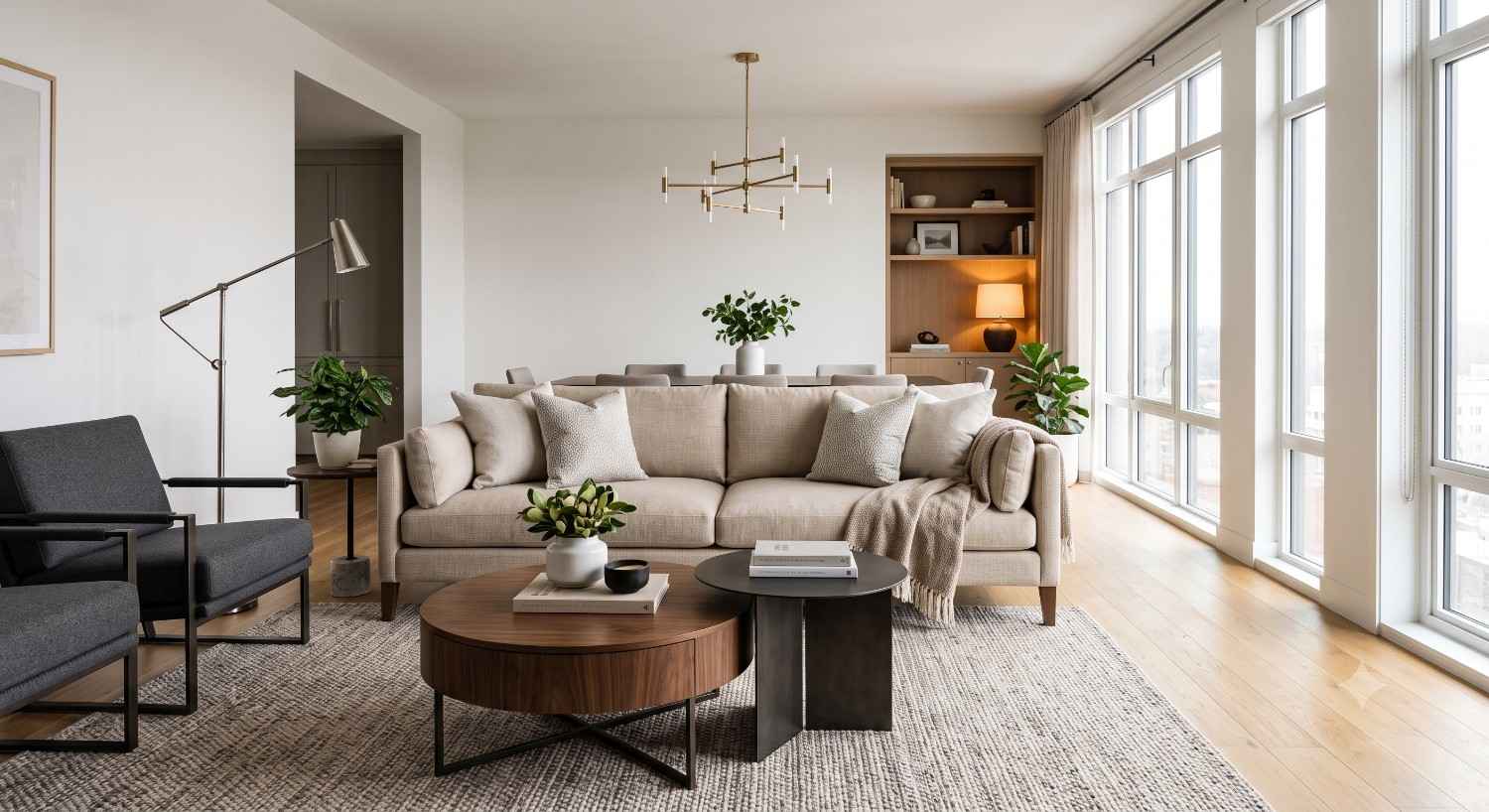
The ideal distance between the front edge of a sofa seat cushion and the edge of a coffee table is 14 to 18 inches. This keeps drinks and remotes within easy arm's reach without restricting legroom or forcing you to bump your knees every time you sit down.
The Dining Room Pull-Out
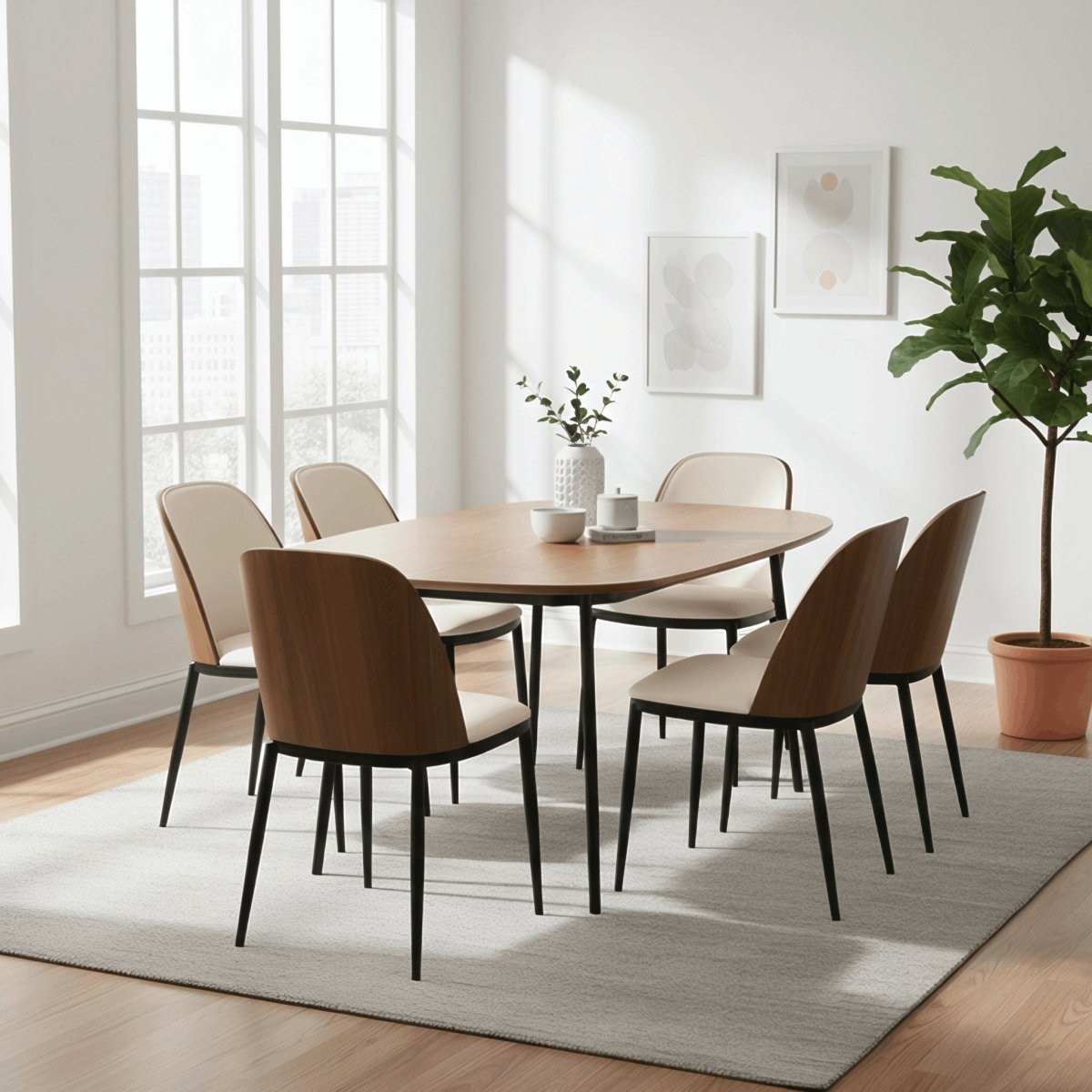
Around a dining table, you need 32 to 36 inches of space measuring from the edge of the table to the nearest wall, sideboard, or door frame. This provides enough clearance for a guest to comfortably push their chair back, stand up, and walk away without slamming into a vertical surface.
Rule 2: Evaluate the Invisible Anatomy of Structural Quality

Truly functional furniture must hold up over time. If a couch loses its internal structural support after twelve months of heavy use, it ceases to be functional, no matter how beautiful the exterior fabric remains. To protect your investment, look past the outer aesthetic and analyze the core anatomy of the piece.
The Frame Architecture
Never buy primary living room furniture made from particleboard, medium-density fiberboard (MDF), or frames held together exclusively with cheap metal staples and glue. A functional, heirloom-quality frame must be built from kiln-dried hardwoods such as maple, oak, or ash.
The kiln-drying process removes all internal moisture from the timber, preventing the wood from warping, splitting, or squeaking over time when exposed to seasonal household humidity. Look for frames that utilize traditional joinery methods—such as double-dowelling, mortise-and-tenon joints, and heavy corner blocks secured with steel screws.
Cushion Density and Deflection Mechanics
The lifespan and comfort of a sofa are dictated entirely by its internal cushion cores. Mass-market sofas cut corners by using low-density poly-foam that compresses permanently within a year, leaving you sitting directly on the hard wooden frame.
Expert Spec Check: Look for a core foam density rating of 1.8 lbs per cubic foot or higher. For the ultimate intersection of structural support and luxury, opt for high-density foam cores wrapped in a thick, channeled envelope of down feathers or a resilient Dacron fiber wrap. This configuration ensures the cushion firmly supports human weight while instantly bouncing back to its original shape the moment you stand up.
Rule 3: Match Textures and Materials to Your Real Lifestyle

Selecting a functional fabric requires an honest evaluation of your household habits. A material that looks pristine under professional showroom lighting can deteriorate rapidly in a home filled with children, pets, or frequent entertainment.
When evaluating fabrics, always ask for their Wyzenbeek method double-rub count—a mechanical test that measures textile durability. For high-traffic family spaces, look for fabrics rated for at least 15,000 to 30,000 double rubs.
|
Fabric / Material Type |
Visual Vibe |
Practical Reality & Maintenance Care |
|
Performance Linen / Solution-Dyed Acrylic |
Casual, coastal, airy, and relaxed |
High Function. Tightly woven, bleach-cleanable, inherently stain-resistant, and highly resistant to fabric pilling. Perfect for sunlit family rooms. |
|
Top-Grain Leather |
Rich, organic, masculine, and timeless |
Medium-High Function. Develops a beautiful natural patina over decades. Liquids wipe clean instantly, but susceptible to surface punctures from long pet claws. |
|
Mohair / Heavy Velvet |
Formal, luxurious, opulent, and deep |
Medium Function. Remarkably durable with incredibly high double-rub counts, but requires specialized steaming if the pile gets crushed by water. |
|
Unsealed Travertine / Carrera Marble |
Architectural, grounded, and sculptural |
Low Function / High Risk. Highly porous. Acidic liquids like lemon juice, wine, or coffee will chemically etch and stain the stone surface permanently within minutes if not professionally sealed. |
Rule 4: Plan Integrated Lighting Layers to Anchor Your Furniture

A common mistake is designing an entire furniture arrangement in a vacuum and treating lighting as an afterthought, throwing a single floor lamp into a dark corner as an impulse fix. This disjointed approach leaves even the finest furniture layouts feeling flat, uninviting, and functionally detached from the room.
To make your furniture layout truly work, your lighting plan must be coordinated alongside your furniture placement from day one. Every distinct functional zone in your home requires three layers of light to come alive:
-
Ambient Lighting: This is your foundational overhead illumination, such as a sculptural central chandelier or clean architectural flush-mounts. It provides the general light needed to navigate the space safely.
-
Task Lighting: This is targeted, directional light placed precisely where physical activity happens. For example, a sleek, adjustable brass floor lamp should curve directly over your primary reading armchair, or a focused task lamp should anchor the corner of a writing desk.
-
Accent Lighting: This is low-level, warm lighting used to add depth, visual warmth, and scale. Think of small, elegant table lamps placed on sideboards, consoles, or deep bookshelves to wash your walls with a soft glow and break up the hard angles of large wooden casework.
Rule 5: Look for Hidden, Thoughtful Multi-Taskers

When a room requires multi-functional layout utility, skip the obvious, industrial-looking transformer furniture. Instead, look for pieces featuring subtle engineering that preserves a high-end design aesthetic while quietly working double-time:
Floating Consoles
Placing a slim, elegant console table directly behind a floating sofa does far more than just hold decorative objects. It creates architectural depth, provides a natural structural grounding point for table lamps, and acts as a soft, sophisticated visual boundary that separates an open-concept living room from a dining space.
Open-Base Seating Anatomy
In compact or narrower rooms, prioritize sofas and accent chairs with exposed, clean-lined legs rather than heavy, fully skirted bases. Allowing natural light and physical sightlines to flow freely underneath the furniture creates a powerful optical illusion of openness, making the overall layout feel airy and less crowded.
Nesting Accent Tables
Instead of anchoring a room with a single, massive coffee table that locks your layout into one rigid configuration, consider using a pair of nesting tables or small, high-design pedestal drink tables. These can be moved around effortlessly depending on where your guests are sitting, allowing the room to adapt organically to the evening.

Frequently Asked Questions
What makes furniture functional?
Functional furniture serves your daily lifestyle habits, perfectly matches your room’s architectural scale, offers proper ergonomic physical support, and uses durable materials that resist premature wear.
How do I avoid overcrowding a room?
Maintain clear traffic lanes using the 36-inch walkway rule, buy fewer high-quality items, and choose furniture with exposed legs to let light pass underneath.
Is solid wood always better?
For frames and tabletops, solid wood is superior because it can be refinished for decades. However, premium engineered plywood is ideal for shelving because it won't warp from indoor humidity.