

Buying new furniture is one of the most exciting ways to refresh your home, but it often comes with a hidden layer of stress: the "Will it fit?" factor. We’ve all heard the horror stories of the sofa that couldn’t make it through the front door or the dining table that left no room for chairs to pull out.
Measuring for furniture is a blend of geometry, logistics, and lifestyle planning. This comprehensive guide will walk you through every step of the process, ensuring that your next piece from LeisureMod looks as perfect in your home as it does in the showroom.
Part 1: The Essential Toolkit

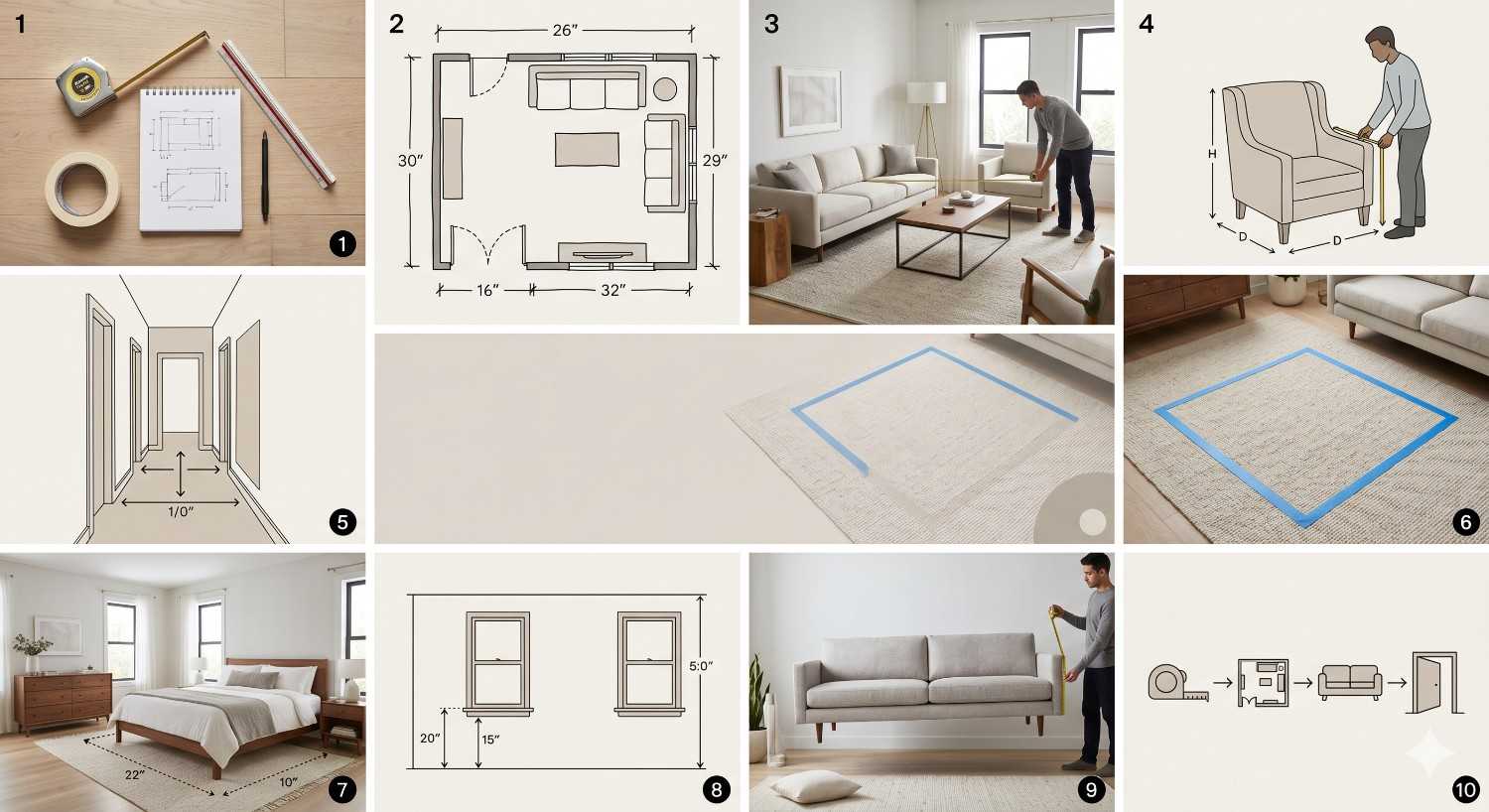
Before you move a single piece of furniture, gather your supplies. Precision is key; "eyeballing it" is the primary cause of furniture returns.
-
A Steel Tape Measure: Cloth tapes are for sewing and can stretch over long distances. A 25-foot steel tape is best.
-
Graph Paper and Pencil: Drawing a top-down view helps you visualize the flow of the room.
-
Painter’s Tape: This is your secret weapon. Use it to "draw" the footprint of the furniture on your floor.
-
A Step Ladder: Essential for measuring ceiling heights and windows.
-
A Digital Camera or Smartphone: Take photos of the empty room to reference while shopping.
Part 2: Mapping the Room (The Base Layer)

Don’t just measure the wall where the furniture will sit. You need a complete "skeletal" map of the space.
1. Wall-to-Wall Dimensions
Measure the length and width of the room at floor level. However, walls are rarely perfectly square. Measure the width at three points: the front, middle, and back of the room. Use the smallest measurement as your definitive limit.
2. Architectural Features
Your furniture has to live around the fixed elements of your home.
-
Windows: Measure the height from the floor to the windowsill, the height of the window itself, and the distance from the window to the corners of the walls.
-
Radiators and Vents: Mark these on your map. Never block a heat source with a sofa or cabinet.
-
Power Outlets and Switches: Ensure your new sideboard won't cover the only outlet for your lamps, or that a tall bookshelf won't hide the light switch.
3. The "Swing" Factor
Doors and cabinets need space to open. Measure the width of every door and the "arc" it creates when swinging open. Furniture placed in this arc will eventually lead to damaged wood or frustrated shins.
Part 3: Navigating the Path (The Delivery Route)

The biggest mistake people make isn't measuring the room—it's forgetting to measure the path to the room.
1. The Entryway
Measure the width and height of your front door frame. Compare this to the "minimum door width" often listed in furniture specifications. If the furniture is delivered in a box, you need to account for the box dimensions, not just the item.
2. Hallways and Corners
A sofa might fit through the door, but can it turn the corner into the living room? Measure the width of your hallways at their narrowest point (often the baseboards). If there is a turn, measure the diagonal space across the corner.
3. Stairs and Elevators
If you live in an apartment or have a multi-story home:
-
Stairs: Measure the width of the stairs and the height of the ceiling at the lowest point of the staircase.
-
Elevators: Measure the door opening, the interior height, and the interior depth.
Part 4: Planning for Specific Pieces

Different types of furniture require different "breathing room" to be functional.
Living Room: The Sofa and Coffee Table
-
The Sofa: Leave at least 30 to 36 inches of walkway space between the sofa and other large pieces or walls.
-
The Coffee Table: The ideal distance between a sofa and a coffee table is 14 to 18 inches. This is close enough to reach a drink but far enough to stretch your legs.
-
TV Distance: For the best viewing experience, multiply the diagonal size of your TV by 1.5 to 2.5 to find the ideal distance for your seating.
Dining Room: Tables and Chairs
-
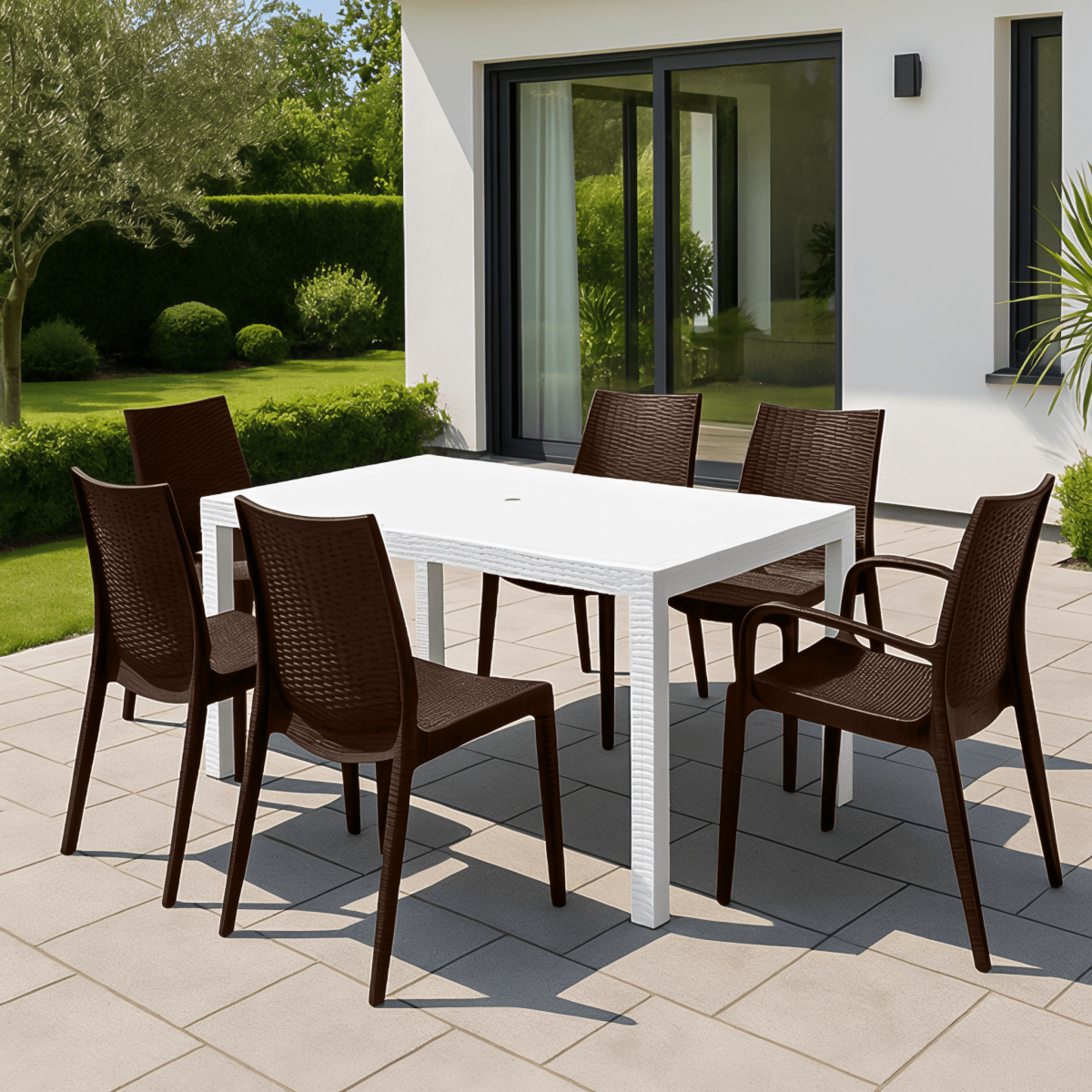
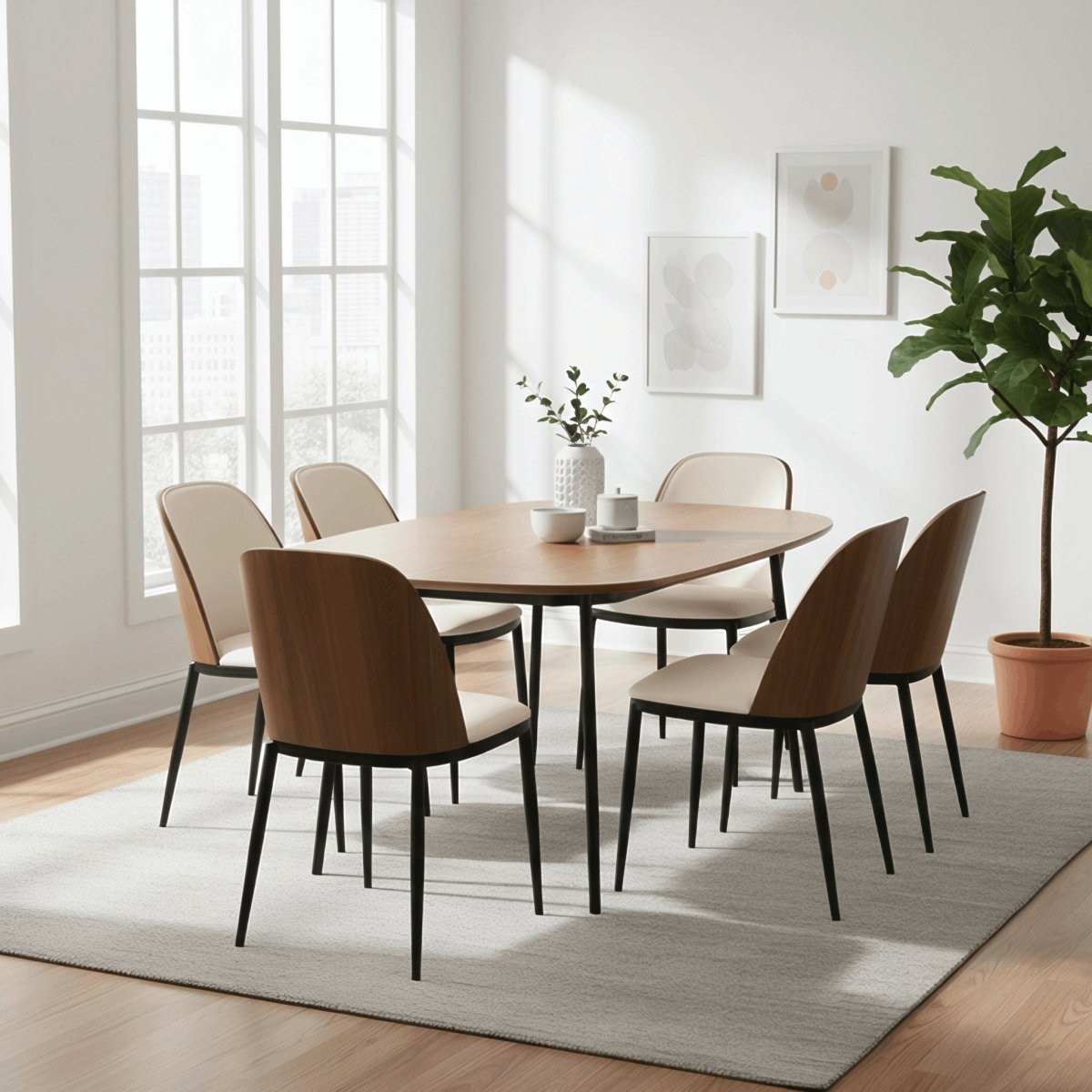
The Chair Pull-Out: This is the most common error. You need 32 to 36 inches of space between the edge of the table and the wall (or other furniture) so people can comfortably pull out their chairs and sit down.
-
Table Height: Standard dining tables are 28–30 inches high. Ensure your chairs allow for 10–12 inches of "leg room" between the seat and the table underside.
Bedroom: The Sanctuary
-
Bed Clearance: Leave 24 to 36 inches around the sides and foot of the bed for walking.
-
Dresser Drawers: Measure how far your drawers or wardrobe doors extend when fully open. Add 15 inches to that measurement to ensure you can stand in front of the open drawer.
Part 5: Using the "Tape Method" for Visualization

Once you have your measurements and have picked out a piece from LeisureMod, it’s time for the "Ghost Furniture" test.
-
Find the dimensions of the item online.
-
Use painter’s tape to outline the exact footprint of the item on your floor.
-
Live with it: Leave the tape there for 24 hours. Walk around it. Does it feel like you’re dodging the "sofa"? Is the room suddenly cramped?
-
Height Check: Use cardboard boxes or a tall floor lamp to mimic the height of the piece. A footprint might look small, but a tall cabinet can "swallow" the light in a room.
Part 6: Aesthetic Proportions (The Golden Ratio)

Measuring isn't just about fit; it's about scale. A small chair in a massive room looks like a dollhouse Reject, while a massive table in a small room feels claustrophobic.
-
The 2/3 Rule: Your sofa should be approximately 2/3 the length of the wall it sits against. Your coffee table should be 1/2 to 2/3 the length of your sofa.
-
Rug Scaling: In a living room, the rug should be large enough so that at least the front legs of all seating furniture rest on it. A rug that is too small makes the room look disjointed.
-
Ceiling Height: If you have low ceilings, choose "low-profile" furniture (shorter backs on chairs and sofas) to create the illusion of more vertical space.
Part 7: Final Checklist Before You Buy
Before hitting "Checkout," run through this quick list:
-
Did I account for the baseboards? (They can add an inch to your wall measurements).
-
Are there any hanging light fixtures? (Check that your tall headboard won't hit the chandelier).
-
Will it block any air vents?
-
Do I have the "Minimum Door Width" for delivery?
-
Is there a wildcard? (Radiators, sloping ceilings, or odd-angled walls).
Conclusion: Confidence in Every Inch
Measuring your space is the bridge between a house and a home. It’s the difference between a room that feels cluttered and one that feels curated. By taking the time to map your architectural "skeleton," account for the "swing" of daily life, and visualize with tape, you can shop at LeisureMod with the absolute certainty that your new furniture will not only fit—it will belong.
Investing in quality furniture is a big decision. Don't let a few inches stand in the way of your perfect interior. Grab your tape measure, start your map, and design your space with confidence.