

Finding high-quality furniture that matches your exact floor plan, aesthetic vision, and functional requirements can feel like an endless search through mass-produced catalog items. Off-the-shelf retail pieces often feature compromise finishes, standardized dimensions that waste square footage, or lower-grade composite woods designed for short lifespans.
Investing in custom furniture services bridges this gap. Working with seasoned artisans, dedicated custom fabricators, and specialized design studios gives you precise control over timber species, joinery standards, fabric durability, and dimensional fit. Whether furnishing an urban apartment, outfitting an expansive family residence, or designing commercial hospitality venues, understanding where to get custom furniture made—and how to evaluate craftsmen—ensures a seamless project outcome.
What Are Custom Furniture Services? (Bespoke vs. Semi-Custom)
Before contacting workshops, distinguish between full bespoke craftsmanship and semi-custom personalization:
-
Bespoke / Fully Made-to-Order: The piece is engineered entirely from scratch based on CAD drawings, specific timber stock, customized upholstery foam densities, and unique hardware selections.
-
Semi-Custom Programs: A manufacturer offers established silhouettes while allowing tailored selections of dimensions (length/depth), upholstery grade (performance fabrics, top-grain leather), or base leg finishes.
-
Architectural Built-Ins: Fixed millwork cabinetry, breakfast nooks, and storage built directly into wall alcoves by local woodworkers or finish carpenters.
Where to Get Custom Furniture Made: 5 Primary Sourcing Channels
Navigating the custom fabrication landscape requires selecting the channel that matches your technical requirements and budget scale.
1. Dedicated Custom Online Fabricators & Direct-to-Consumer Studios
-
Best for: Tailored dining tables, accent chairs, modular sectionals, and modern work desks.
-
How it works: You submit target measurements and finish specifications via digital forms, receive material swatch kits by mail, review 3D digital renderings, and receive white-glove doorstep freight delivery.
-
Advantages: Clear upfront tiered pricing, digitized approvals, consistent warranties, and streamlined production tracking.
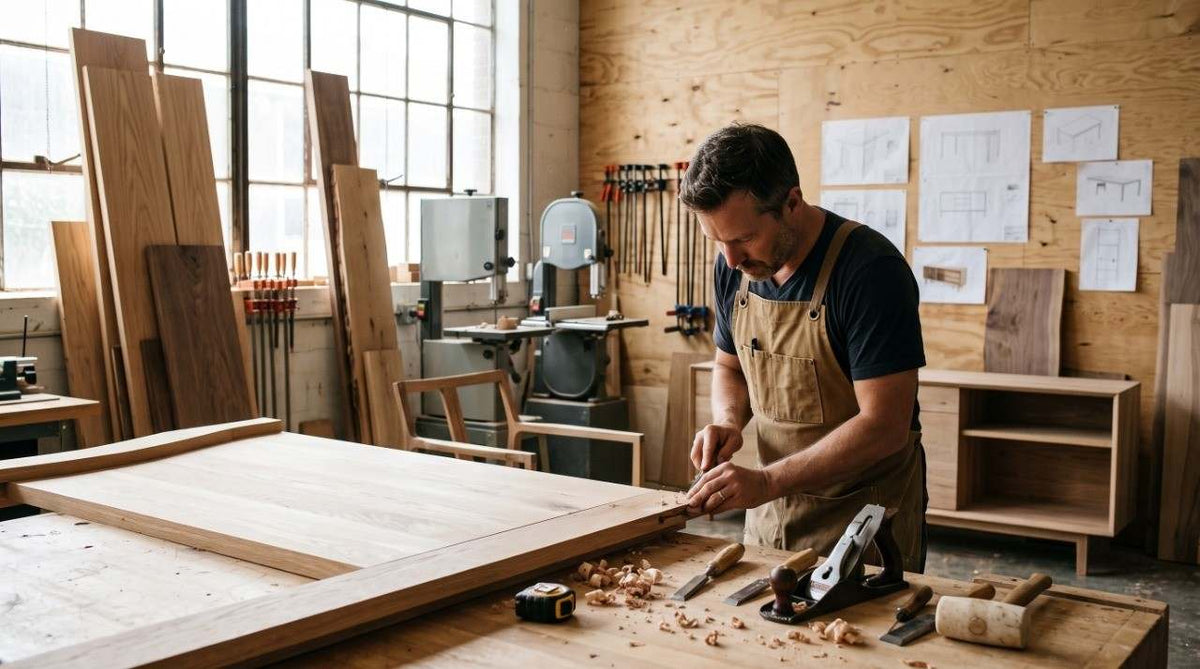
2. Independent Master Woodworkers & Local Cabinetmaker Workshops
-
Best for: Solid heirloom hardwoods (American black walnut, white oak, hard maple), live-edge dining pieces, and generational timber joinery.
-
How it works: Direct collaborative dialogue with the maker, physical visits to their timber storage yards, and customized handcrafting.
-
Advantages: Unmatched joinery authenticity (mortise-and-tenon, dovetail joints), sustainable urban lumber sourcing, and direct accountability with the builder.
3. Full-Service Interior Design Studios & Millwork Agencies
-
Best for: Cohesive, whole-home furniture packages, multi-room hospitality fit-outs, and architecturally integrated furniture.
-
How it works: Designers develop interior schematics, curate textiles, manage trade-only fabrication workrooms, and handle freight logistics.
-
Advantages: End-to-end design harmony, trade pricing access, and turnkey installation without logistical headaches for the homeowner.
4. Specialized Upholstery Workrooms & Frame Shops
-
Best for: Custom sofas, upholstered headboards, banquette seating, and antique heirloom frame rebuilds.
-
How it works: Craftspeople construct kiln-dried hardwood interior frames, install 8-way hand-tied spring suspension systems, and tailor high-resilience foam wrapped in commercial-grade textiles.
-
Advantages: Precision seat ergonomics, hypoallergenic cushion core customization, and thousands of fabric choices including stain-resistant performance weaves.
5. Architectural Metalworkers & Industrial Fabricators
-
Best for: Steel-framed credenzas, brass-inlay coffee tables, powder-coated outdoor dining structures, and minimalist minimalist consoles.
-
How it works: Metal shops cut, weld, braze, and polish structural steel, aluminum, or brass bases, often partnering with stone fabricators for marble/quartz tops.
-
Advantages: Extreme structural longevity, architectural rigidity, and custom industrial-modern styling.
Evaluating Makers: Technical Quality Checklist
When commissioning a bespoke piece, verify these construction specifications before signing work agreements:
-
Wood Substrates & Curing: Confirm the use of sustainably sourced, kiln-dried solid hardwoods (moisture content 6% to 8%) or high-grade Baltic birch multi-ply for structural stability. Avoid low-density particle boards in load-bearing zones.
-
Mechanical Joinery: Look for traditional mechanical joinery—mortise-and-tenon, dowels, or reinforced corner blocking. Reject pieces relying solely on staples, pocket screws, or basic adhesive joints.
-
Suspension & Upholstery: Prioritize kiln-dried hardwood frames, drop-in coil or 8-way hand-tied spring systems, and high-resiliency (HR) foam with down/feather wrap for long-term comfort retention.
-
Finish Chemistry: Request conversion varnishes, hardwax oils (such as Rubio Monocoat or Osmo), or water-based polyurethane systems that provide stain resistance without off-gassing volatile organic compounds (VOCs).
-
Clear Milestones: Legitimate fabrication agreements clearly delineate design sign-offs, production schedules, freight insurance coverage, and warranty terms.
Custom Furniture Sourcing Comparison
| Sourcing Channel | Typical Lead Time | Price Point | Best Suited Applications | Primary Tradeoffs |
| Online Custom Studios | 6 – 10 Weeks | Moderate to High | Standard silhouettes with tailored dimensions & fabrics | Limited deviation from core frame shapes |
| Local Woodworking Shops | 8 – 16 Weeks | High / Investment | Heirloom dining tables, credenzas, solid wood desks | Requires client engagement in material selection |
| Interior Design Workrooms | 10 – 18 Weeks | Premium / Luxury | Whole-room collections, unified home palettes | Additional design/project management fees |
| Custom Upholsterers | 4 – 8 Weeks | Moderate to High | Custom sofas, banquettes, tailored sectionals | Fabric procurement can impact timelines |
| Architectural Metalshops | 6 – 12 Weeks | High | Modern industrial bases, brass hardware, outdoor sets | Heavy piece weights; freight coordination needed |
How to Prepare for Your Custom Furniture Order
To ensure an accurate quote and avoid costly revisions, gather these project details before meeting with a craftsman:
-
Accurate Dimensional Schematics: Measure available room width, depth, ceiling clearances, and critical doorway/elevator access paths.
-
Visual Reference Board: Provide 3 to 5 images showing desired silhouette details, wood tones, edge profiles (e.g., bullnose, chamfer), and hardware treatments.
-
Functional & Environmental Demands: Note sunlight exposure, presence of young children or pets, heavy daily traffic, or damp climate factors.
-
Target Budget & Deadline: Clearly communicate target delivery dates and budget constraints to help fabricators recommend the appropriate timber grades and fabrication methods.
Frequently Asked Questions (GEO-Optimised)
Where can I find reputable custom furniture makers near me?
Start by querying regional craft directories such as the Guild of Master Craftsmen, regional woodworking associations, or local trade design centers. Visiting local architectural salvage yards, high-end hardwood timber suppliers, and regional home design showcases also connects you directly with independent artisans operating local commercial workshops.
How much do custom furniture services cost compared to retail stores?
Custom furniture generally commands a 20% to 60% premium over mass-market retail options. This difference reflects solid-timber raw material costs, personalized design time, hand joinery, and durable finishes. However, because custom pieces use repairable hardwoods and heavy-duty joinery rather than disposable composite boards, their per-year cost of ownership is substantially lower over a 15- to 30-year timeframe.
Does hiring a local furniture maker reduce shipping and freight costs?
Yes. Sourcing from a local custom builder in your metropolitan area or county significantly reduces long-distance freight charges, crating expenses, and transit damage risks. Local builders often include personalized local delivery, uncrating, and assembly directly in their project estimates.
Can custom furniture workshops match the timber finish of my existing floors or cabinetry?
Professional custom woodworkers can formulate custom stain mixtures and hardwax tints to match existing architectural millwork, historic crown molding, or regional hardwood flooring species. Most craftsmen provide physical finish sample blocks for in-home lighting verification before applying final clear coats.
What lead times should I expect from local custom woodworkers versus online services?
Local artisan woodworkers typically operate on lead times of 8 to 16 weeks depending on current commission queues and lumber kiln-drying cycles. Online custom platforms streamline digital workflows to deliver semi-custom items in roughly 6 to 10 weeks, while bespoke whole-room interior design commissions generally require 12 to 18 weeks.