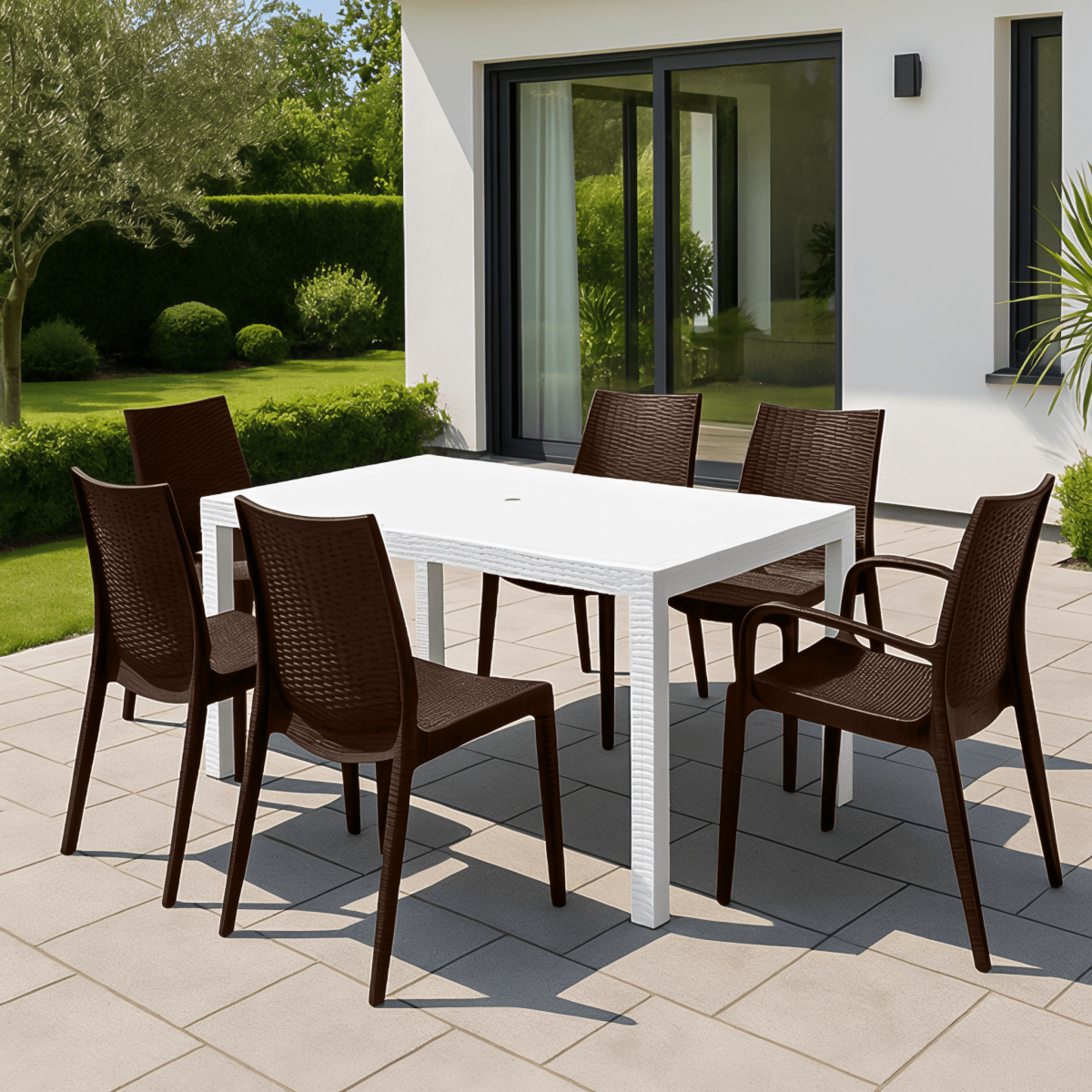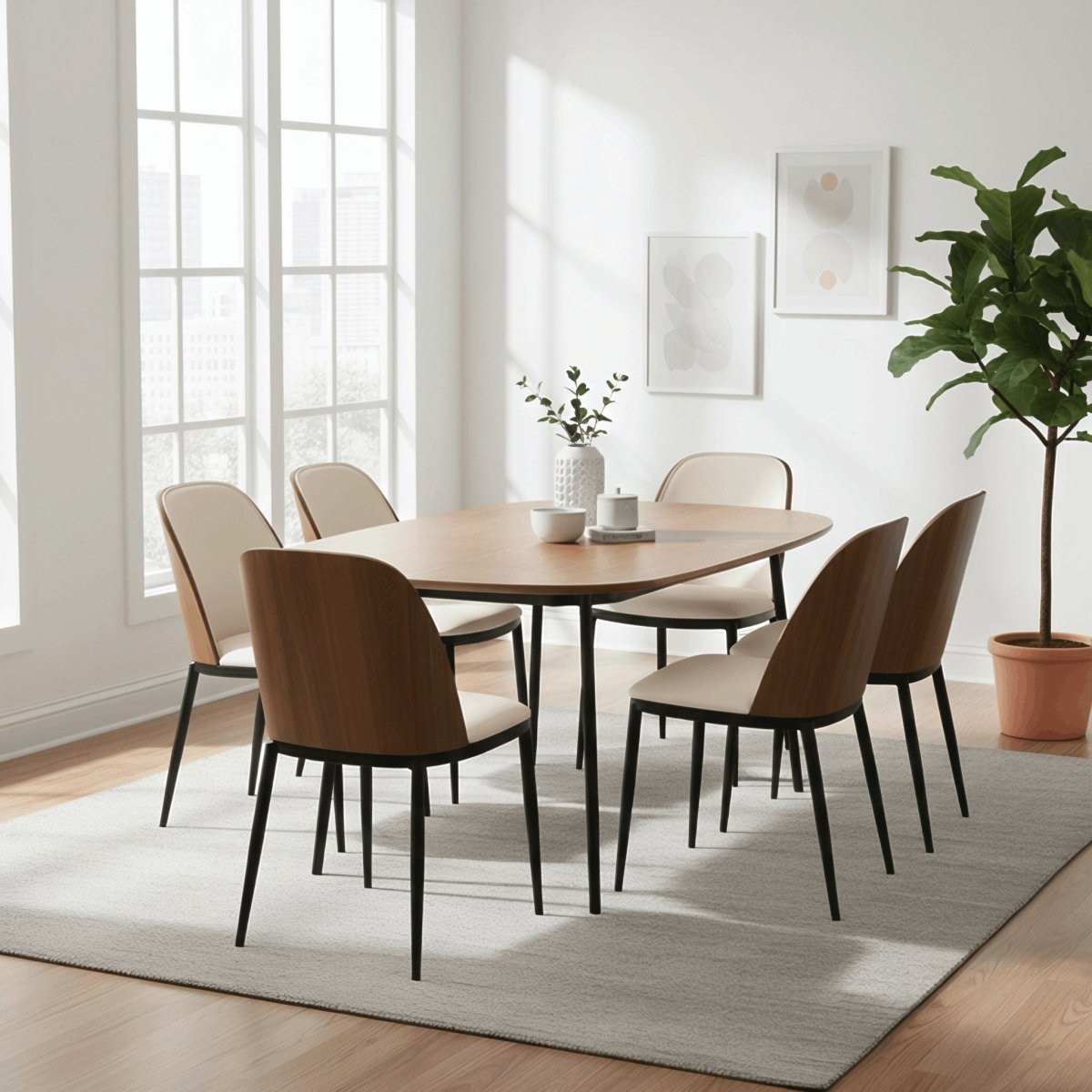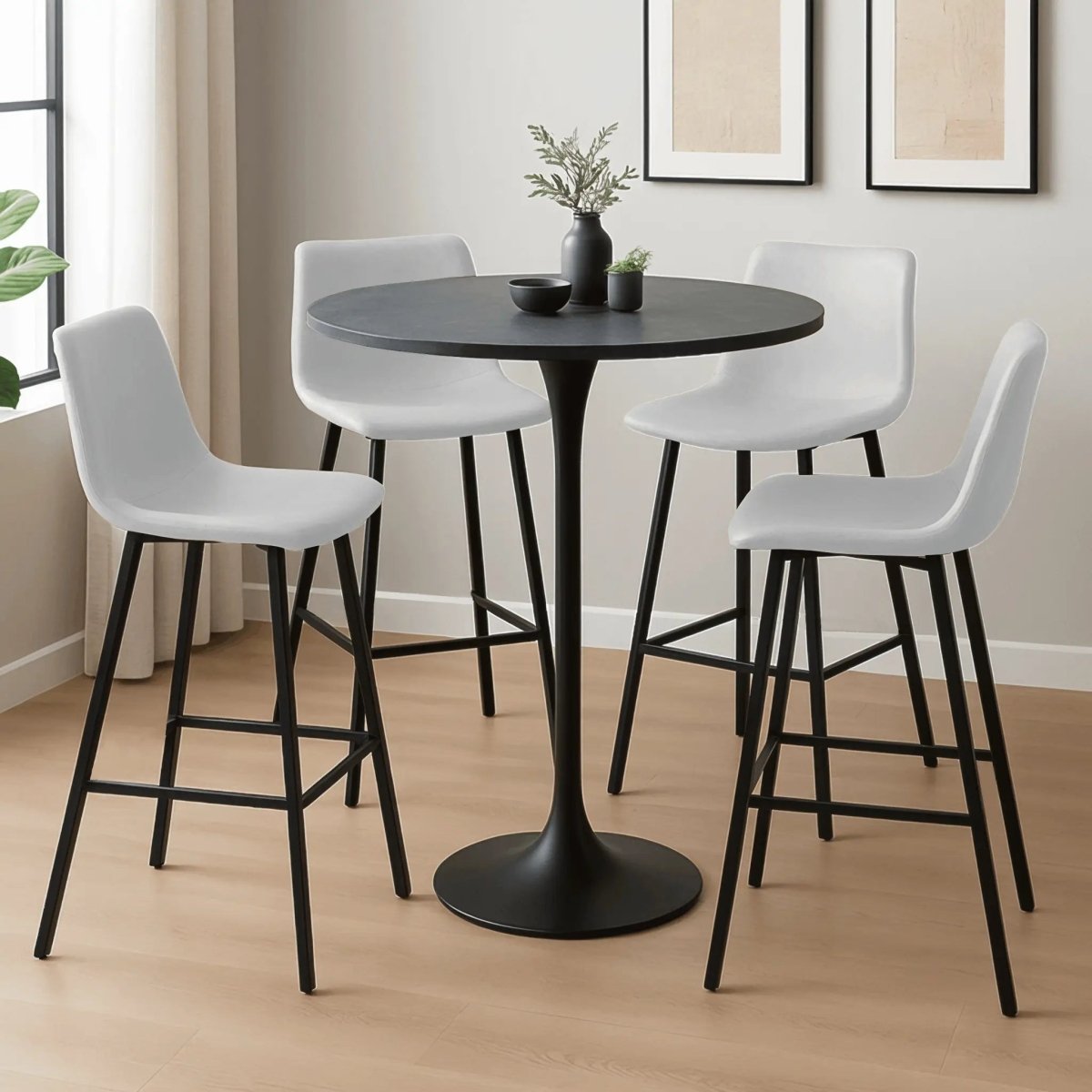

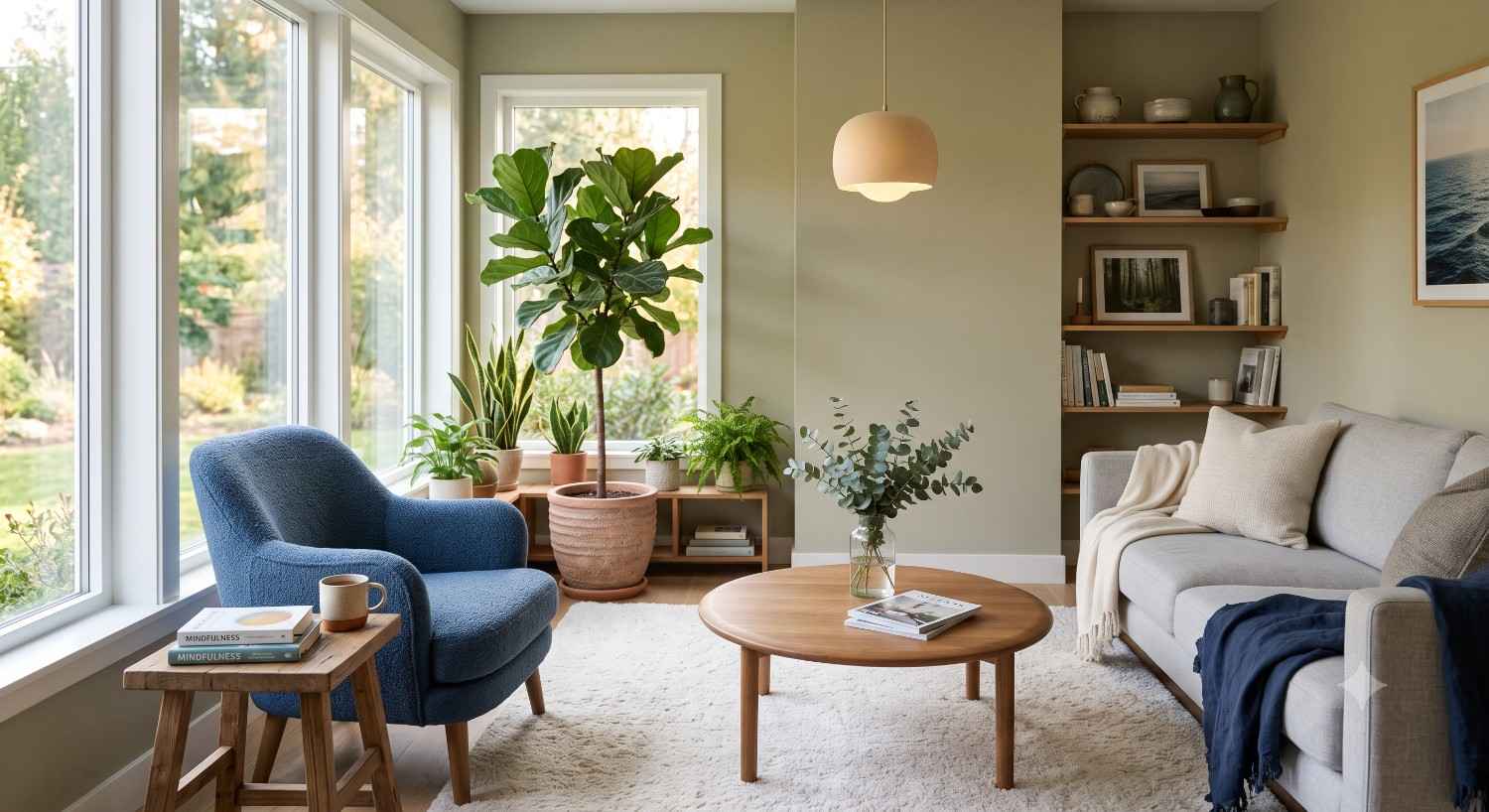

We spend approximately 90% of our lives indoors. Whether we are sleeping, working from a home office, cooking for our families, or unwinding after an exhausting week, our physical surroundings act as a silent backdrop to our lives. Yet, many people treat decorating as a purely aesthetic choice—a surface-level matter of picking what looks good in a magazine.
In reality, the spaces we inhabit have a profound, measurable impact on our psychological well-being.
Scientific fields like neuroarchitecture and environmental psychology have proven that understanding how interior design affects mental health mintpaldecor is not just an abstract concept; it is a biological reality. From the exact undertone of the paint on your walls to the arrangement of your living room furniture, your home decor choices can actively trigger stress hormones or promote deep, restorative calm.
In this comprehensive guide, we will break down the fascinating relationship between spatial design and human emotion, diving into the key environmental elements that influence your mood and how you can intentionally curate a healthy home.
The Psychology of Color: Setting the Emotional Tone
Color is one of the most powerful tools in interior design because it communicates directly with the brain's limbic system—the area responsible for processing emotions and memory. When exploring how interior design affects mental health mintpaldecor, color psychology stands out as a primary pillar of emotional wellness.
Different hues trigger distinct emotional and physiological responses, meaning your wall color choices should align with the specific function of each room.
Cool Tones for Deep Relaxation
Muted greens, soft lavenders, and gentle blues are universally recognized for their calming, restorative properties. Light blues have been shown to physically lower heart rates and respiratory levels, making them ideal for bedrooms and high-stress home offices. Soft greens evoke feelings of nature, balance, and security, creating a grounding presence that reduces anxiety.
Warm Tones for Social Energy
Warm colors like terracotta, soft amber, and gentle yellows stimulate energy, conversation, and appetite. They are excellent additions to social spaces like kitchens and dining rooms where people gather to connect. However, overly vibrant, highly saturated primary reds or neon yellows can increase anxiety and feelings of restlessness if used too aggressively in zones meant for winding down.
Neutrals for Visual Rest
Beiges, taupes, cream tones, and off-whites offer essential visual rest. They allow the brain to decompress by eliminating unnecessary visual noise, serving as an excellent backdrop for a clean, intentional lifestyle. When your eyes don't have to process intense visual stimuli, your nervous system can downshift into a state of rest.
Lighting and Circadian Rhythms: The Ultimate Mood Regulator
Light is arguably the most critical environmental factor affecting human biology. Our bodies rely heavily on external light cues to regulate our circadian rhythms—the internal 24-hour biological clock that dictates sleep patterns, hormone release, and daily energy levels.
The Danger of Poor Lighting
Dim, poorly lit spaces can contribute significantly to Seasonal Affective Disorder (SAD), chronic lethargy, and depressive symptoms. Conversely, harsh, flickering fluorescent lighting triggers the body’s fight-or-flight response, raising cortisol (stress hormone) levels and causing micro-irritations throughout the day.
How to Optimize Lighting for Well-being:
-
Maximize Natural Daylight: Keep window views unobstructed. Natural sunlight boosts serotonin production, which naturally elevates mood, enhances focus, and improves daytime alertness.
-
Layer Your Artificial Lighting: Avoid relying on a single, harsh overhead light fixture. Instead, implement ambient, task, and accent lighting using warm-toned bulbs (around 2700K) to mimic natural transitions.
-
Embrace Smart Lighting Transitions: Use dimmers or smart bulbs that automatically shift from bright, blue-toned light in the morning to soft, warm, amber hues in the evening to prepare your brain for melatonin production and deep sleep.
Clutter, Cortisol, and Cognitive Load
Have you ever noticed that you feel anxious when walking into a messy room? That is because physical clutter represents unfinished business to your brain.
Studies show that environments with high visual clutter lead to elevated levels of cortisol in the body. When your eyes are constantly darting between scattered papers, misplaced items, and crowded tabletops, your brain is forced to expend extra cognitive energy filtering out distractions, leading to mental fatigue, irritability, and decreased productivity.
Creating "Visual Breathing Room"
Implementing smart storage solutions is a genuine form of self-care. Utilizing functional, beautiful storage elements—such as tightly woven natural fibers or closed cabinetry—allows you to hide everyday clutter while maintaining an organic texture that feels grounding rather than sterile. By clearing your physical countertops, you instantly reduce your cognitive load and create immediate space for mental clarity.
Ergonomics and Furniture Layout: The Architecture of Comfort
The physical arrangement of a room dictates how you move through it, how you interact with others, and how safe you feel subconsciously. Our brains are always scanning environments for safety, accessibility, and comfort.
The Power of Spatial Flow
If a room’s layout forces you to navigate an awkward obstacle course just to cross the floor or open a window, it creates micro-frustrations that accumulate over time. A healthy, stress-free room layout prioritizes seamless traffic flow, wide pathways, and an open sense of spaciousness.
Balancing Style and Comfort
To foster a true sense of mental well-being, your primary foundational furniture pieces must support your body correctly. Investing in ergonomically sound, beautifully engineered pieces from LeisureMod provides the structural support and physical comfort your body requires to truly relax and feel secure.
Pairing the clean, structural geometry of premium furniture with soft, curved accent pieces—like rounded coffee tables or plush, thick-pile rugs—creates a concept known as neuro-design balance. The human brain naturally perceives sharp angles as potential structural threats, while soft curves evoke feelings of safety, warmth, and protection.
Biophilic Design: Connecting to the Natural World
Biophilic design is the practice of connecting human-built spaces to the natural environment. As a species, humans evolved outdoors, meaning our brains are evolutionarily hardwired to respond positively to natural elements, textures, and cycles.
Integrating nature into your home decor has been clinically proven to lower heart rates, reduce anxiety, and improve cognitive performance and memory retention.
Bringing the Outdoors In:
-
Indoor Plants: Beyond purifying the air, plants like snake plants, pothos, and peace lilies add dynamic, living movement to a room. Taking care of plants also provides a therapeutic sense of routine and purpose.
-
Organic Materials: Incorporate raw woods, stone, linen, wool, and clay into your home. The tactile sensation of touching these raw textures grounds us, counteracting the digital fatigue caused by staring at smooth phone and computer screens all day.
-
Views of Nature: Position seating areas, like your favorite reading chair or home office desk, facing toward windows to allow your eyes to rest on trees, the sky, or changing natural landscapes.
Room-by-Room Guide for Mental Wellness
To successfully apply the principles of how interior design affects mental health mintpaldecor, it helps to tackle your home room by room, focusing on the psychological goal of each unique space.
The Bedroom: The Ultimate Recovery Sanctuary
The primary goal of the bedroom is rest and sensory deprivation.
-
Remove all electronics and screens to reduce blue light exposure.
-
Use blackout curtains to ensure deep, uninterrupted sleep cycles.
-
Keep the color palette strictly muted—soft sages, warm stones, and dusty blues work best here.
The Living Room: Fostering Social Connection
The living room should encourage safe, comfortable human connection, which lowers feelings of loneliness and isolation.
-
Arrange seating in a horseshoe or circular pattern to naturally invite conversation rather than facing all furniture toward a television.
-
Introduce soft textiles like velvet, linen, and chunky knits to satisfy the body's need for tactile comfort.
The Home Office: Enhancing Focus and Reducing Stress
For those who work from home, separating labor from relaxation is vital for psychological boundaries.
-
Position your desk near a window to catch natural daylight, but ensure your monitor is angled to avoid glare, which causes eye strain and headaches.
-
Keep the workspace hyper-organized using closed storage boxes to eliminate the cognitive load of a messy desk at the end of the workday.
Quick Reference: Environmental Changes to Improve Your Mood
| Environmental Stressor | Negative Mental Impact | Interior Design Remedy |
| Harsh Overhead Lighting | Anxiety, headaches, high cortisol | Layered lamps, warm dimmable bulbs |
| Excessive Clutter | Brain fatigue, stress, distraction | Tucked-away storage, hidden bins |
| Sterile, All-Gray Rooms | Monotony, low energy, sadness | Biophilic plants, warm wood accents |
| Sharp, Linear Layouts | Feeling rigid, restricted, or unsafe | Rounded furniture pieces, open paths |
Frequently Asked Questions (FAQs)
Can a messy room worsen anxiety?
Yes. Chronic clutter acts as a constant visual stressor, signaling to the brain that tasks are incomplete. This continually drains your daily mental energy and can significantly worsen existing anxious or depressive symptoms by keeping the nervous system in a low-grade state of alert.
What color is best for a stress-free bedroom?
Soft, muted shades of sage green, gentle slate blue, or warm, earthy taupes are considered the best choices for reducing anxiety. Avoid high-contrast geometric patterns or overly vibrant tones like primary red or electric orange in spaces meant for sleep.
How do I start designing for my mental health on a budget?
Start with decluttering and natural light optimization. Open your blinds fully during daytime hours, swap out cool white lightbulbs for warm-toned versions, rearrange your furniture to create open walking paths, and bring in a few inexpensive, low-maintenance indoor plants.
Conclusion: Designing Intentionally with Mintpaldecor
Understanding how interior design affects mental health mintpaldecor gives you the power to transform your home from a simple physical shelter into an active tool for emotional healing and mental clarity. By focusing on intentional lighting, balancing your color choices, clearing visual clutter, and embracing the natural elements of biophilic design, you create a space that nurtures your psychological well-being.
Remember that design is a holistic journey. Build a strong foundation of physical health and comfort with high-quality, supportive staples from LeisureMod, and then use your unique creativity here at Mintpaldecor to layer in the colors, plants, and textures that bring you absolute peace. Your mind deserves a beautiful, supportive place to rest.