

Preparing for a commercial or residential relocation involves far more than simply packing boxes and hiring movers. Learning how to clean furniture before moving is a fundamental step that safeguards your investment, maintains indoor air quality in your new location, and prevents costly damage during transit. Whether you are transitioning a residential property or relocating a bustling commercial establishment, pre-move furniture maintenance ensures that every piece arrives at its destination in pristine condition.
Many people overlook the hidden hazards of moving dirty furniture. Dust, grease, sand, and ambient grime accumulate on surfaces over time. When uncleaned furniture is wrapped in moving blankets, padded, or bound with stretch film, those microscopic particles act like coarse sandpaper. The friction caused by transit vibrations forces grit into finishes, leaving permanent scratch marks, dulling polished veneers, and grinding dirt deep inside fabric fibers. By establishing a systematic deep-cleaning workflow prior to moving day, you eliminate surface abrasives, eradicate trapped allergens, and ensure seamless packing.
Why Pre-Move Furniture Cleaning is Essential for Asset Protection
Skipping pre-move furniture preparation can result in permanent structural and surface degradation. Understanding the physical mechanics of transport highlights why thorough cleaning is a necessary step in the moving process:
-
Elimination of Surface Abrasives: Dust, microscopic debris, and crumbs sandwiched between furniture and heavy moving pads rub against finishes throughout transport, causing micro-scratches on wood, lacquer, and glass.
-
Prevention of Mold and Mildew: Wrapping damp or dirty upholstery in non-breathable plastic stretch wrap traps ambient moisture. Within 24 to 48 hours inside a warm moving truck or storage unit, trapped moisture creates an ideal breeding ground for mold, mildew, and persistent foul odors.
-
Improved Tape and Wrap Adhesion: Industrial stretch wrap, edge protectors, and protective foam pad coverings adhere significantly better to clean, grease-free surfaces. Clean frames prevent protective materials from slipping off during heavy lifting.
-
Pest and Contaminant Control: Deep vacuuming and sanitizing eliminate hidden food particles, pet dander, and pest larvae lurking in deep seams, cushion crevices, and table joints before they are introduced to your new property.
-
Immediate Spatial Readiness: Unpacking clean furniture means your new setup is immediately ready for use, eliminating the need to clean items while navigating packed boxes and moving logistics.
Material-Specific Cleaning Protocols

Different structural materials demand specialized cleaning solutions and drying windows to avoid surface etching, finish stripping, or structural warping.
|
Material Category |
Step 1: Initial Cleaning |
Step 2: Surface Treatment |
Step 3: Final Protection |
|
Solid Wood & Veneers |
Apply pH-neutral soap |
Towel dry completely |
Apply protective wax shield |
|
Upholstered Fabrics |
Deep vacuum with HEPA filter |
Spot clean targeted stains |
100% air dry before wrapping |
|
Metals & Composites |
Apply alcohol-based cleaner |
Degrease surface oils |
Safe for immediate wrapping |
1. Solid Wood, Veneers, and Engineered Laminates
Wood is particularly vulnerable to moisture changes and surface scratching. Dust every wooden frame thoroughly using a dry, static-free microfiber cloth. Follow up with a dedicated pH-neutral wood soap diluted in warm water, ensuring your cleaning cloth is damp—never soaking wet. Excess water can penetrate raw edges, joinery, and minor finish cracks, causing wood grain expansion and warping. Dry all wood surfaces immediately with a fresh lint-free towel. For added protection on natural wood, apply a thin coat of furniture wax or polish 24 hours before wrapping to create a slick barrier against friction.
2. Upholstered Furniture, Fabrics, and Velvet
Fabric seating acts as a magnet for dust, hair, and ambient debris. Begin by vacuuming all fabric surfaces using a HEPA-filtered vacuum equipped with an upholstery brush and crevice tool. Pay special attention to button tufting, skirt folds, and hidden seams under removable cushions. Treat localized stains with a specialized fabric cleaner or a mild dish soap solution, taking care not to oversaturate the internal foam padding. Upholstered items must dry completely in a well-ventilated room for at least 24 to 48 hours before being wrapped in moving plastic.
3. Genuine Leather and Faux Leather (PU/Vinyl)
Leather requires gentle handling to prevent drying out or cracking under stress. Wipe down leather surfaces using a damp microfiber cloth to remove surface oils and dust. For stubborn grime, use a dedicated saddle soap or specialized leather cleaner. Once clean, apply a quality leather conditioner to restore flexibility to the hide. Conditioned leather is significantly less prone to creasing or cracking when subjected to pressure, straps, and temperature shifts during transport.
4. Metals, High-Pressure Laminates (HPL), and Glass
Non-porous commercial materials are durable, but they easily collect greasy fingerprints, oils, and industrial grime. Clean anodized aluminum, powder-coated steel, and HPL surfaces using an all-purpose surface sanitizer or a mixture of warm water and isopropyl alcohol. Cleaning these surfaces ensures tape, edge guards, and stretch film adhere securely without slipping during transit.
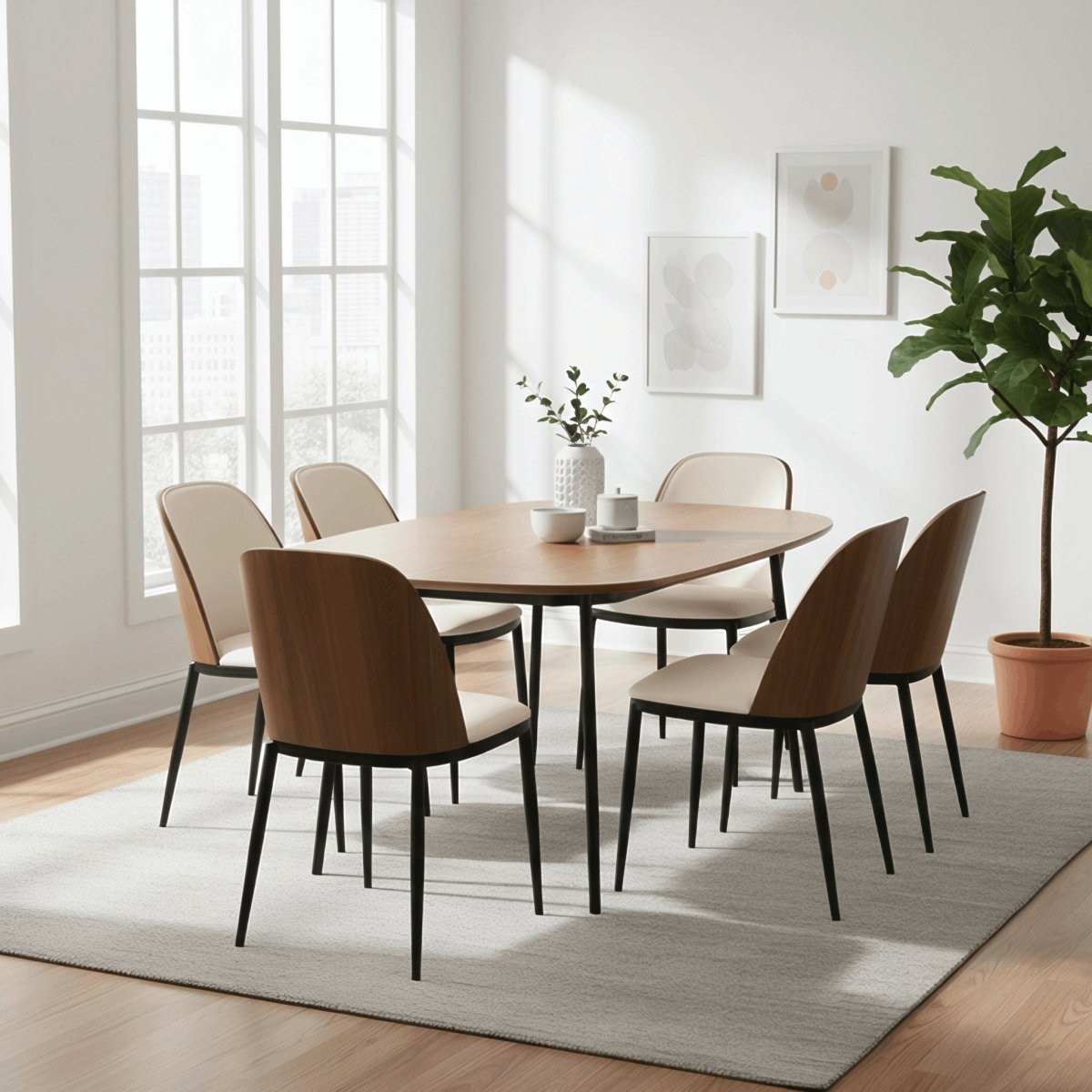
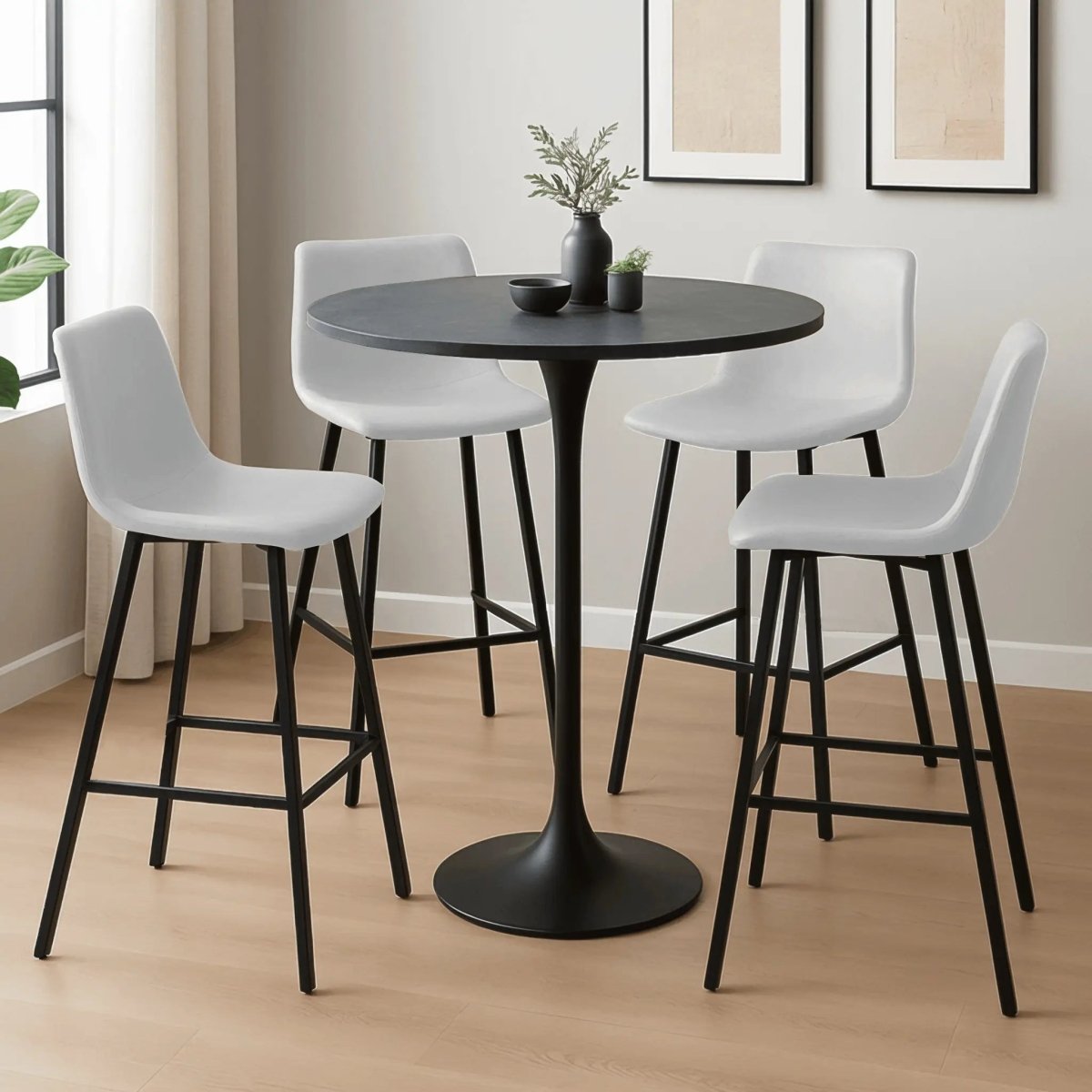
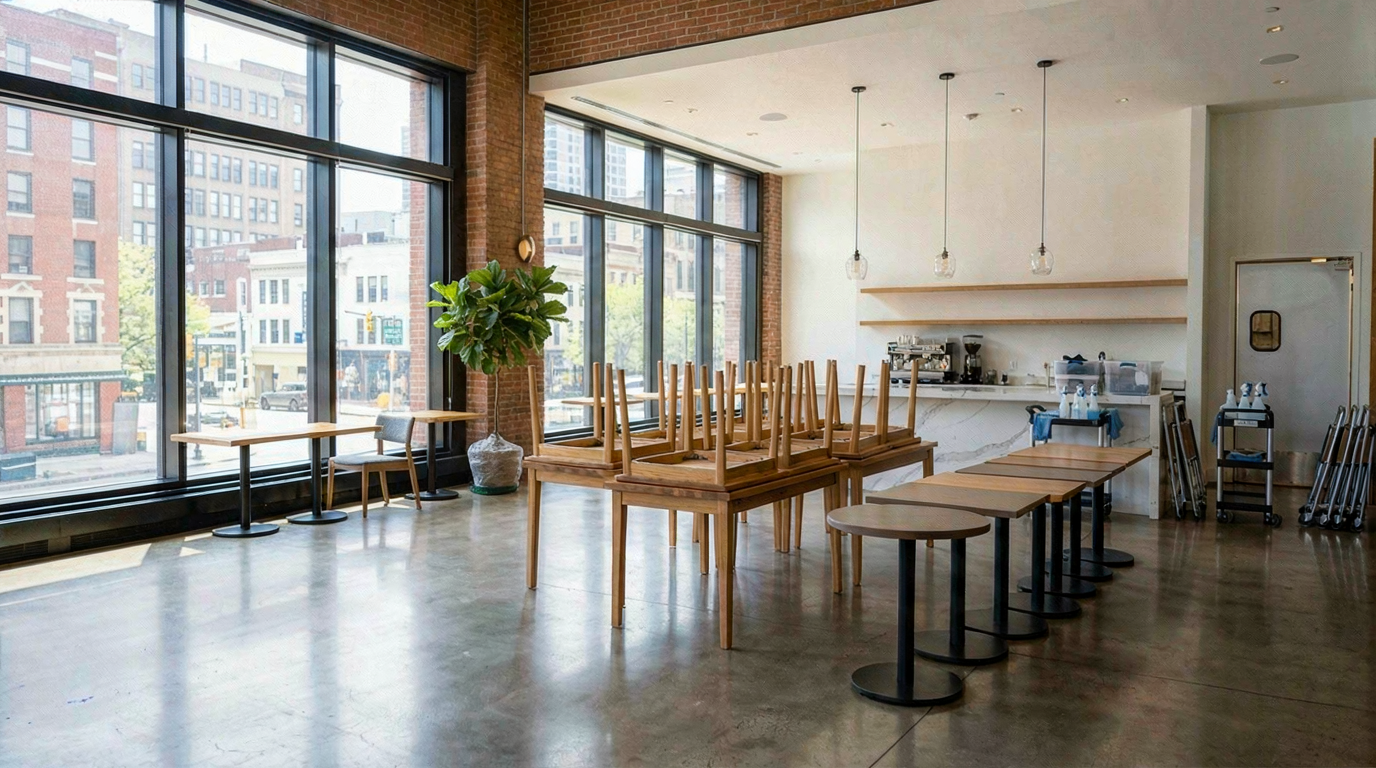
When staging or re-outfitting high-use commercial or residential spaces after a move, pair your fresh layout with durable, easy-to-clean options like our restaurant dining tables or flexible space-savers like our wholesale cocktail tables.
Comprehensive Material Cleaning Matrix
|
Material Category |
Primary Cleaning Agents |
Drying Time Required |
Protection Rule During Transport |
Long-Term Moving Benefit |
|
Solid Wood & Veneer |
pH-neutral wood soap, microfiber cloths |
30–45 Minutes |
Never apply plastic film directly to polished wood |
Prevents finish abrasion beneath heavy pads |
|
Upholstery & Fabric |
HEPA vacuum, mild fabric shampoo |
24–48 Hours |
Must be completely dry before wrapping in plastic |
Prevents mold, mildew, and trapped odors |
|
Genuine & Faux Leather |
Specialized leather cleaner, hide conditioner |
1–2 Hours |
Cover with breathable cotton blankets first |
Prevents leather cracking and surface creasing |
|
Powder-Coated Steel |
Warm water, mild dish soap, alcohol wipe |
15–20 Minutes |
Safe for standard moving pads and stretch film |
Removes grit that cause metal coatings to scratch |
|
High-Pressure Laminate |
Multi-surface spray, isopropyl alcohol |
5–10 Minutes |
Direct stretch-wrap safe |
Quick sanitization with zero moisture delay |
|
Tempered Glass Tops |
Ammonia-free glass cleaner |
5 Minutes |
Wrap in heavy bubble wrap and edge guards |
Guarantees clear surfaces free of trapped grit |
Step-by-Step Execution Plan: How to Clean Furniture Before Moving

To streamline your moving prep without feeling overwhelmed, break down the pre-move cleaning workflow into four structured phases:
Phase 1: Disassembly and Clearing
-
Clear all items from drawers, cabinets, and tabletop surfaces.
-
Detach removable components, such as table legs, leaf inserts, cushions, glass tops, and loose shelving.
-
Label hardware immediately and place screws, bolts, and brackets into sealed bags taped to the corresponding furniture piece.
Phase 2: Dry Debris Removal
-
Vacuum all surfaces thoroughly using a HEPA-vacuum attachment.
-
Work systematically from top to bottom so falling dust lands on uncleaned lower zones or bare flooring.
-
Use soft bristle brushes to clean out tight carved details, joints, hardware grooves, and corners.
Phase 3: Liquid Cleaning and Sanitization
-
Apply material-appropriate cleaning solutions sparingly using damp microfiber towels.
-
Scrub high-touch contact points, such as armrests, table edges, handles, and seat cushions.
-
Immediately follow up with dry towels to lift residual moisture and lifted grime off non-porous surfaces.
Phase 4: Full Drying and Conditioning
-
Position cleaned upholstery and wooden pieces in an air-conditioned room or space with active fan circulation.
-
Apply leather conditioners or wood waxes to nourish materials prior to long-haul packing.
-
Verify that all cushions and soft components are completely dry before wrapping them in protective moving materials.
Pre-Move Cleaning Timeline
|
Timeframe |
Recommended Action |
Key Objective |
|
48 Hours Before |
Deep-clean fabrics & upholstery |
Allows full dry time to prevent mold |
|
24 Hours Before |
Wipe down wood, laminate, and metal frames |
Removes dust and grit before wrapping |
|
Moving Day |
Wrap dry furniture in protective blankets & film |
Protects surfaces from scratches during transit |
Critical Packing Mistakes to Avoid After Cleaning
Even pristine furniture can sustain damage if packed incorrectly after cleaning. Keep these essential rules in mind on moving day:
-
Wrapping Damp Furniture in Plastic: Never wrap wet or partially damp furniture in stretch film or plastic sheeting. Trapped moisture causes wood to swell, paint to bubble, and fabrics to develop toxic mold.
-
Placing Stretch Film Directly on Wood: Applying plastic stretch wrap directly onto finished wood or leather can trap heat and condensation, melting the finish or leaving plastic impressions on the surface. Always cover wood and leather with breathable cotton moving blankets before applying outer stretch film.
-
Tape Applied Directly to Polished Surfaces: Avoid sticking packing tape directly to wood, painted metal, or leather frames. The adhesive leaves gummy residues that attract dirt and can strip varnish when peeled off.
Frequently Asked Questions About Pre-Move Furniture Cleaning
Why is it important to clean furniture before moving?
Cleaning removes abrasive grit, dirt, and oil that can scratch surfaces when pressed against moving blankets. It also prevents transferring dust, bacteria, and allergens into your new space.
Can you wrap furniture in plastic wrap right after cleaning?
No, furniture—especially upholstered and wooden pieces—must be completely dry before wrapping. Trapping moisture under non-breathable plastic leads to mold, mildew, and damaged finishes during transit.
How do you clean wood furniture before packing it for a move?
Dust the wood with a microfiber cloth, clean it using a dedicated wood cleaner or diluted mild soap, dry it thoroughly with a towel, and let it air-dry completely before covering it with protective cotton pads.
Should you disassemble furniture before or after cleaning it?
Clean the main outer surfaces first to remove loose dust, then disassemble detachable parts like table legs or shelves. Cleaning individual components after disassembly ensures hard-to-reach joints and hardware points are completely free of dirt.
What is the best way to clean outdoor furniture before bringing it inside or moving it?
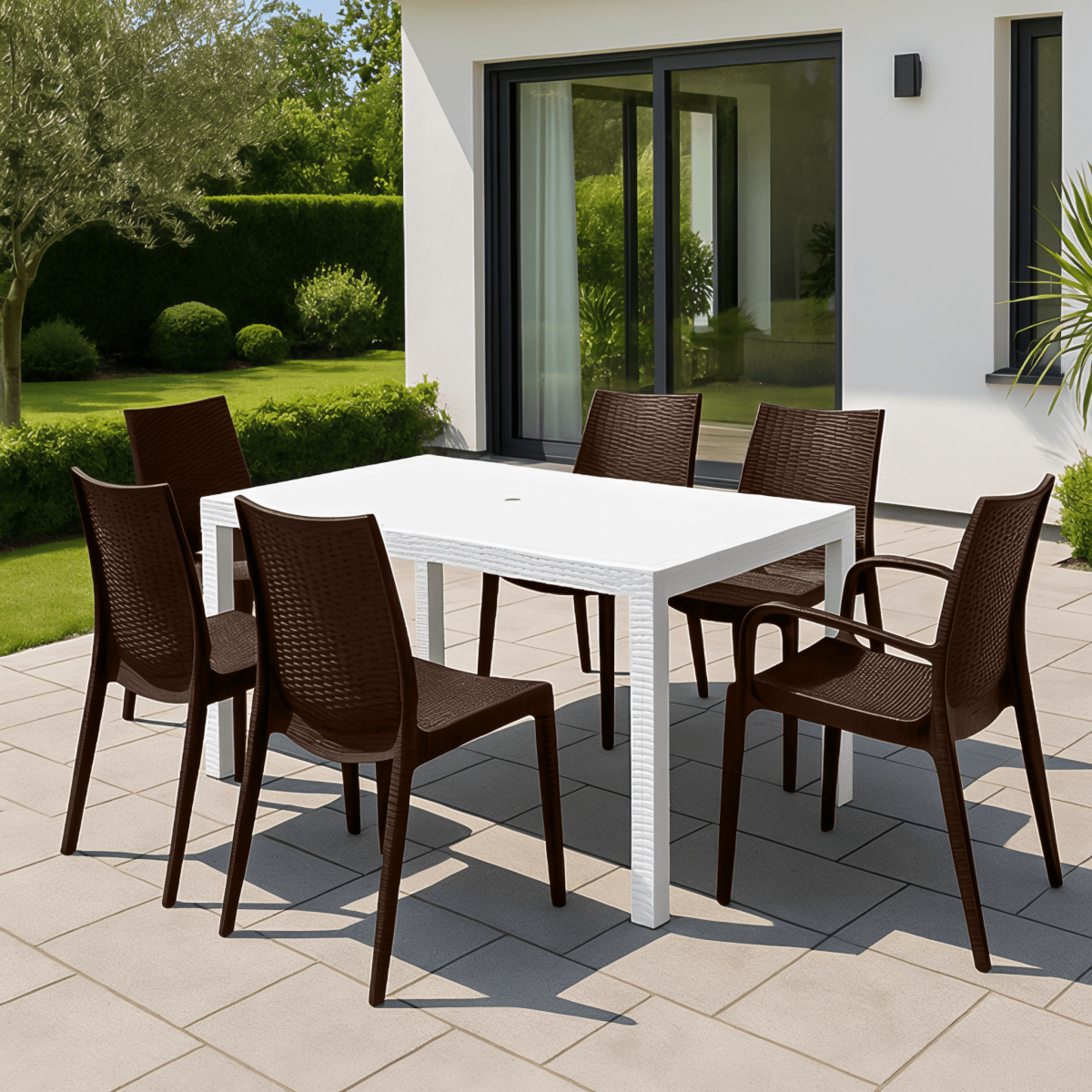
Hose down resin or metal frames with mild detergent, scrub away caked-on mud and pollen with a soft brush, and let the pieces dry completely in the sun before packing or storing them.
How long should upholstered furniture dry after spot cleaning before being packed?
Upholstered furniture requires at least 24 to 48 hours to dry completely in a well-ventilated room with circulating air before it is safe to cover with protective plastic wrap.
How do you remove sticky tape residue if tape accidentally touches furniture during a move?
Use a small amount of mineral oil, olive oil, or a specialized adhesive remover on a soft microfiber cloth to gently dissolve the residue without stripping the underlying finish.