

If you have been researching modern surfacing materials for high-end kitchen countertops, luxury dining tables, or contemporary outdoor living spaces, you have likely encountered sintered stone. Often marketed under proprietary names like Dekton, Neolith, and Lapitec, it is quickly challenging traditional staples like engineered quartz, granite, and marble.
While its ultra-sleek appearance suggests an upscale aesthetic upgrade, sintered stone is fundamentally an engineering breakthrough designed to address the physical limitations of natural stone and resin-based composites.
Below is the definitive, unbiased guide to what sintered stone is, how the high-pressure sintering process works, how it compares directly to quartz and natural granite, where its actual structural vulnerabilities lie, and whether it makes sense for your space.
What Is Sintered Stone? (The Science Behind the Surface)
Sintered stone is an engineered surfacing and architectural material made from 100% natural minerals (such as quartz, feldspar, clay, and natural mineral pigments) fused together under extreme pressure (over 20,000 to 30,000 metric tons) and kiln temperatures exceeding 2,200°F (1,200°C) without chemical binders or petroleum-based resins.
To understand why this manufacturing process matters, consider natural metamorphic rock: deep underground, intense heat and tectonic pressure gradually fuse minerals over millions of years. Industrial sintering mimics and accelerates this geological metamorphosis into a matter of hours.
The Mineral Triad: Sintered Stone vs. Quartz vs. Porcelain
A major point of confusion for buyers and interior designers is whether sintered stone is simply an expensive variety of quartz or oversized porcelain tile. The material breakdown reveals sharp distinctions:
-
Engineered Quartz: Composed of approximately 90% to 93% crushed mineral quartz bound together by 7% to 10% polymer and polyester resins. These plastic resins provide high impact flexibility, but they fail under thermal exposure, scorching or yellowing at temperatures as low as 150°F.
-
Standard Porcelain Tile: Primarily clay-based and fired at moderate temperatures. Most porcelain products feature a digital surface glaze printed only on the top micro-layer; if chipped, an unfinished clay substrate is immediately visible underneath.
-
Sintered Stone: Contains zero polymer resins, chemical binding agents, or petroleum additives. The raw minerals are subjected to ultra-high compaction forces and through-body fusing. It is entirely inorganic, non-porous, and impervious to direct flame, boiling liquids, and harsh UV rays.
Sintered Stone vs. Quartz vs. Granite: The Master Comparison
The matrix below highlights structural durability, heat tolerance, maintenance requirements, and overall performance benchmarks across the three dominant architectural surfaces:
| Performance Metric | Authentic Sintered Stone | Engineered Quartz | Natural Granite |
| Material Composition | 100% raw minerals (0% resin binders) | 90–93% quartz + 7–10% resin | 100% quarried natural igneous stone |
| Heat Resistance | Completely heatproof (1,000°F+ direct heat) | Low/Moderate (scorches above 150°F) | High (heat-safe, but thermal shock can crack it) |
| UV / Outdoor Fade | 100% UV-proof (zero fading or chalking) | Poor (resins turn yellow and brittle in sun) | High (withstands sun; requires periodic sealant) |
| Porosity & Absorption | Non-porous (<0.05% water absorption) | Non-porous (<0.5% water absorption) | Porous (absorbs oils, wine, and water if unsealed) |
| Sealing Maintenance | Never requires sealing | Never requires sealing | Requires sealing every 12 to 24 months |
| Scratch Resistance | Mohs 7–8 (knife-safe; cut directly on top) | Mohs 6–7 (scratch resistant) | Mohs 6 (scratch resistant) |
| Impact / Edge Chipping | Moderate to brittle (high edge chip risk) | High resilience (resin absorbs kinetic shock) | Moderate (can chip under heavy concentrated force) |
| Repairability | Extremely difficult (chips rarely blend) | Moderate (repaired with colored epoxy) | High (fills seamlessly with tinted resin) |
| Average Cost Installed (sq. ft.) | $70 – $150+ | $60 – $120 | $50 – $130 |
Key Performance Features: Why It Is Fireproof and Scratchproof
Because sintered stone contains no volatile organic compounds (VOCs) or plasticizers, its mechanical characteristics outperform traditional stone in high-stress interior and exterior zones.
1. Absolute Heat and Thermal Shock Resistance
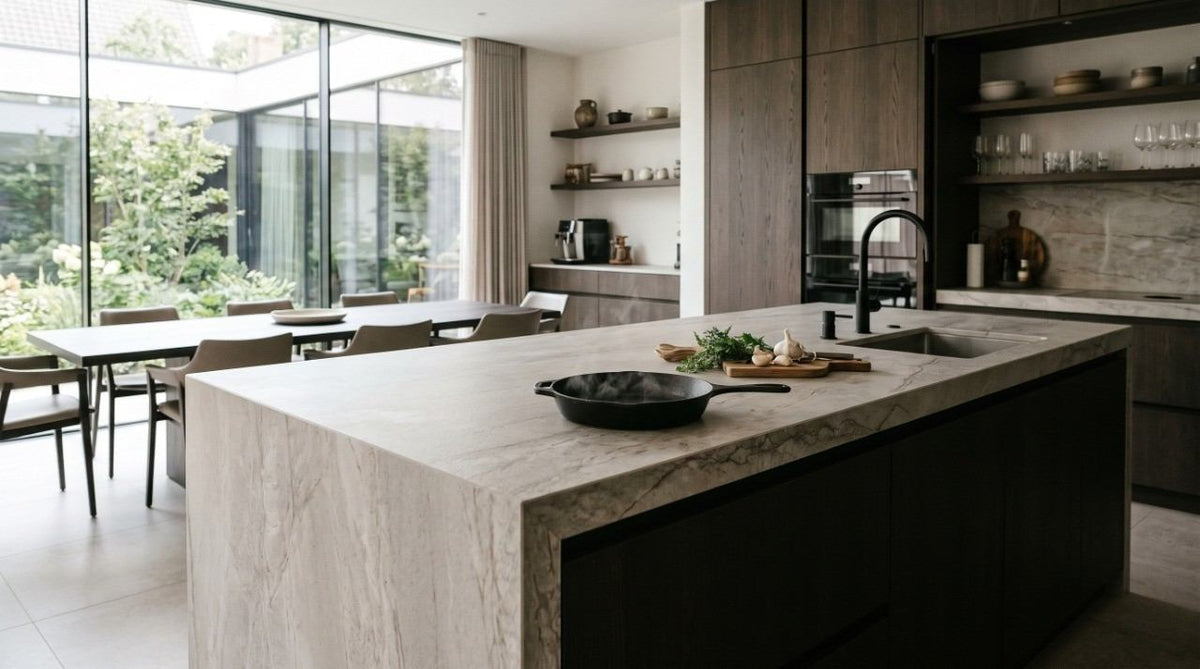
Because it is forged at volcanic temperatures exceeding 2,200°F, placing a hot Dutch oven, a sizzling cast-iron skillet, or a baking sheet directly on the surface will not scorch, discolor, crack, or leave permanent rings. It is completely non-combustible.
2. Mohs Hardness Rating of 7 to 8
Sintered stone rates higher on the Mohs mineral hardness scale than structural steel, granite, and marble. You can slice bread, chop vegetables, or use kitchen cutlery directly on the material without dulling the finish or creating micro-grooves where bacteria can harbor.
3. Total UV Stability and Zero Moisture Infiltration
Natural stone absorbs ambient moisture, while resin-based countertops degrade when exposed to the outdoor elements. Sintered stone features a water absorption rate under 0.05%, meaning:
-
Water, coffee, red wine, and citrus juice cannot penetrate the surface to cause deep staining.
-
Winter freeze-thaw cycles cannot cause interior structural fractures.
-
Direct, relentless sunlight will not break down chemical bonds or yellow the pigments over decades of exposure.
The Biggest Drawbacks: The Hidden Issues Nobody Talks About
To make an informed purchase decision, it is critical to look past showroom marketing and evaluate the real-world manufacturing and handling limitations of sintered stone.
1. Brittleness and High Edge Chipping Vulnerability
The extreme density achieved by eliminating resin binders comes at a cost: flexural elasticity. While sintered stone possesses immense surface hardness, it behaves similarly to hardened safety glass or dense porcelain when struck along an edge. A heavy cast-iron pot, an aluminum pan edge, or an accidental strike with a heavy tool can cause sharp chips along mitered edges and sink cutouts.
2. Difficult and Costly Fabrication
Cutting and mitering sintered stone is exceptionally demanding. Standard diamond blades used for granite or quartz will overheat, chatter, and shatter the slab due to internal tension.
-
It requires specialized waterjet cutting tables, diamond-tipped bridge saws with continuous water-cooling, and highly specific machine feed rates.
-
Many local countertop installers lack the specialized training, certification, and tooling required to handle large-format slabs, resulting in accidental breakages that drive up fabrication bids.
3. Chips Are Virtually Impossible to Seamlessly Repair
If a homeowner chips the edge of a natural granite or quartz surface, an experienced surface restoration specialist can fill the defect with a color-matched epoxy compound, polish it flush, and render the damage nearly invisible. With sintered stone, because the surface finish and microscopic mineral texture are bonded through extreme heat, surface fills rarely blend seamlessly and usually remain visible under direct lighting.
Common Applications: Beyond the Kitchen Countertop
While kitchen worktops represent its initial entry into modern construction, sintered stone’s structural profile makes it an exceptional candidate for high-impact residential and commercial furnishings:
-
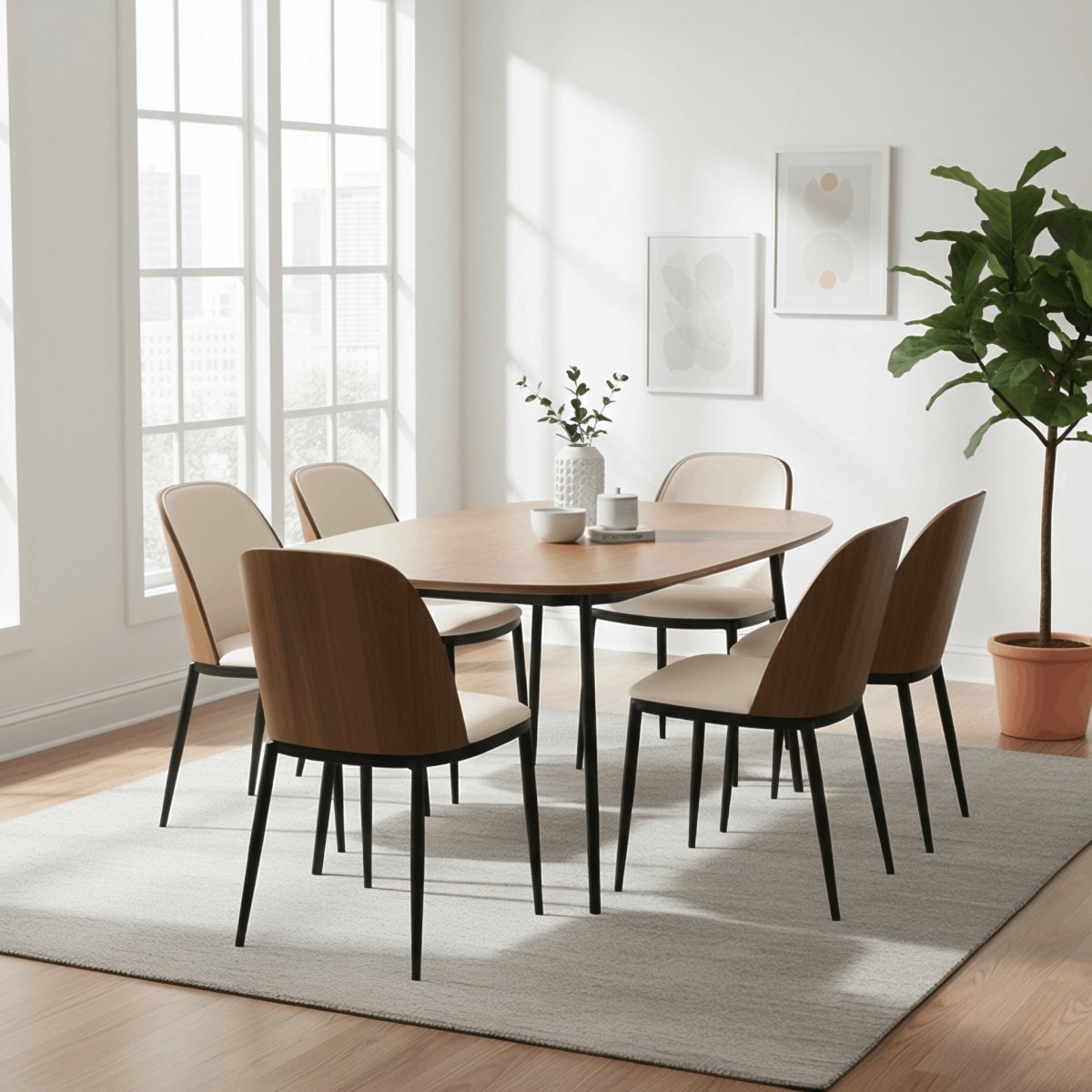
High-End Dining Tables: Modern dining spaces require large, cantilevered spans that resist scratches from dinnerware, spilled wine, hot serving bowls, and messy arts-and-crafts projects. Thin sintered slabs (typically 6mm to 12mm) mounted to rigid steel subframes provide clean, minimalist profiles without warping.
-
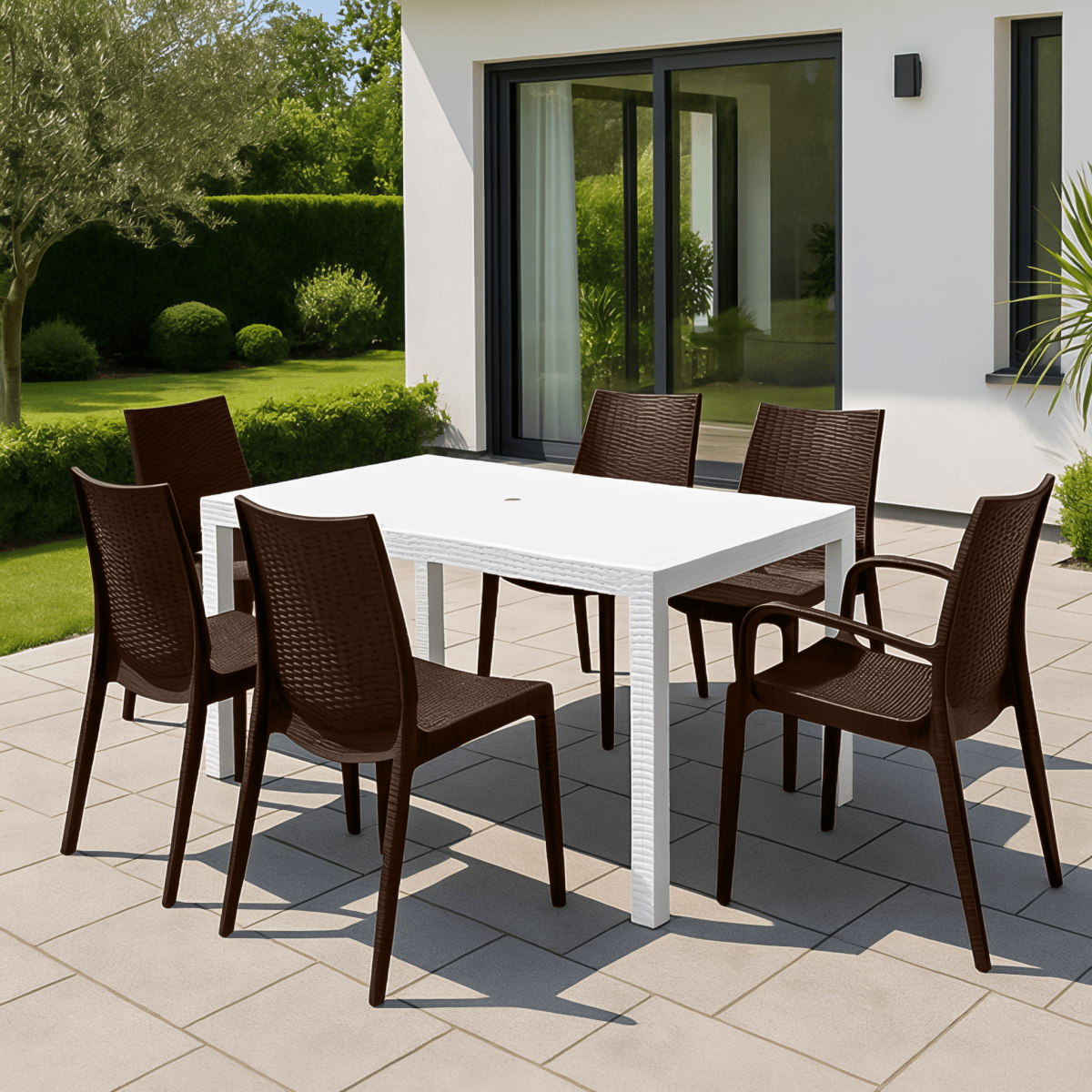
All-Weather Outdoor Patio Furniture: Because it is completely impervious to UV bleaching, torrential rain, ambient humidity, and sub-zero temperatures, sintered stone is increasingly replacing natural wood and tempered glass on luxury outdoor dining tables and open-air kitchens.
-
Vertical Wall Cladding & Fireplace Surrounds: Large-format slabs (up to 10.5 feet long) allow for floor-to-ceiling installations with zero visible grout lines. Because the material is completely non-combustible, it can be mounted flush against zero-clearance gas or wood fireplaces.
Leading Brands You Need to Know
When sourcing authentic sintered stone or ultra-compact surfacing slabs in the United States and international markets, four major European manufacturers dominate the landscape:
-
Dekton (by Cosentino): Manufactured in Spain, Dekton utilizes Particle Sintering Technology (PST) to compress raw minerals under 25,000 tons of pressure. It is backed by an extensive North American distribution network and architectural showroom footprint.
-
Neolith: Produced in Castellón, Spain, Neolith is recognized for pioneering large-format sintered surfaces, offering comprehensive through-body veining collections tailored for residential waterfall islands, exterior rainscreens, and modern commercial tables.
-
Laminam: Engineered in Italy, Laminam produces large-format porcelain and sintered ceramic surfaces optimized for furniture construction, interior wall cladding, and luxury exterior building envelopes.
-
Lapitec: Manufactured in Treviso, Italy, Lapitec produces full-body sintered stone completely free of crystalline silica and artificial binders, widely specified for sustainable, non-toxic architectural projects.
Frequently Asked Questions (FAQ)
1. How does sintered stone hold up in extreme US outdoor climates?
Sintered stone excels across every regional climate in the United States—from freeze-thaw cycles in the Midwest and Northeast to extreme UV radiation and dry heat in the desert Southwest. Because its water absorption rate is practically zero (<0.05%), moisture cannot penetrate the slab to expand or cause freeze fractures. Additionally, because it contains no petroleum resins, the surface will not fade, warp, or yellow under direct sunlight.
2. Can I set hot cast-iron pans directly on a sintered stone countertop?
Yes. Unlike engineered quartz countertops—which discolor, warp, or scorch above 150°F due to melting plastic binders—sintered stone is kiln-fired at temperatures exceeding 2,200°F. Sizzling cast-iron pans, boiling pots, and hot roasting dishes can be transferred directly from the range or oven onto the surface without heat pads or trivets.
3. Why do US fabricators charge higher installation rates for sintered stone?
Sintered stone demands specialized diamond-tipped bridge saws, waterjet cutting systems, and high-volume water cooling during processing. Because the material is exceptionally rigid and lacks pliable resins, incorrect cutting speeds, improper blade tension, or subtle machine vibrations can introduce stress fractures before the slab is installed. Fabricators charge higher labor premiums to compensate for specialized machinery and the risk of slab breakage during edge profiling and sink cutouts.
4. What is the difference between sintered stone and high-end porcelain tile?
While both materials share mineral roots in the ceramic family, their manufacturing density, pressure ratings, and body structures differ significantly:
-
Standard Porcelain: Typically manufactured using finer clays pressed at lower pressures, often featuring digital glaze patterns applied only to the surface layer. If chipped, an unfinished substrate is visible underneath.
-
Sintered Stone: Compresses raw minerals under forces exceeding 20,000 metric tons and frequently features through-body mineral blending, where pattern, coloration, and density remain uniform throughout the entire thickness of the slab. It offers substantially higher flexural strength, better impact density, and large-format seamless dimensions (up to 10.5 ft x 4.5 ft).
5. What are the leading authentic sintered stone brands available in North America?
The primary architectural and residential suppliers operating throughout North America include:
-
Dekton by Cosentino: High-performance ultra-compact surfaces engineered in Spain with widespread US showroom availability.
-
Neolith: Pioneering architectural sintered stone slabs produced in Spain, widely utilized for residential counters, high-end furniture tops, and exterior siding.
-
Laminam: Italian-engineered large-format surfaces designed for interior fixtures and exterior cladding.
-
Lapitec: Italian through-body sintered stone manufactured without crystalline silica dust or chemical resins, recognized for structural worktops and sustainable projects.
Sintered stone represents an uncompromising choice for homeowners, architects, and designers seeking an indestructible, heatproof, and stain-resistant surface. By understanding its physical traits—namely its extreme surface durability paired with sensitive edge mechanics—you can deploy this high-performance material where it adds undeniable, lifelong architectural value.